Ultimo aggiornamento: 8 aprile 2026
Il Taglio che i Professionisti Non Vogliono Farti Conoscere
Le guance di manzo sono l'arma segreta del pitmaster. Mentre tutti si contendono il brisket flat e le costolette prime, la guancia di manzo resta lì tranquilla al banco del macellaio, scandalosamente sottovalutata e assurdamente saporita. Questi piccoli muscoli instancabili della mascella del bovino sono carichi di collagene che, durante una cottura lunga, si scioglie nella carne più succulenta e fondente che tu abbia mai assaggiato.
Perché le Guance di Manzo?
Un bovino mastica migliaia di volte al giorno, il che significa che i muscoli delle guance sono incredibilmente sviluppati e densi di tessuto connettivo. Quel tessuto connettivo è puro collagene, che si trasforma in gelatina durante la cottura low-and-slow. Il risultato è una carne con una consistenza che il brisket può solo sognare -- setosa, ricca e così tenera che a malapena tiene la forma sulla forchetta.
L'Approccio in Due Fasi
Questa ricetta combina il meglio di due mondi: l'affumicatura americana e la brasatura francese. Prima, le guance ricevono 3 ore di fumo intenso per costruire una bark profonda e infondere quel sapore affumicato in ogni fibra. Poi passano in una casseruola in ghisa con vino rosso, brodo di manzo, aromi ed erbe per una lunga brasatura che converte tutto quel collagene in oro liquido.
Scegliere il Vino
Usa un vino rosso corposo che berresti davvero -- Cabernet Sauvignon, Malbec o Syrah sono tutte scelte eccellenti. Il vino si concentra durante la brasatura, quindi qualsiasi difetto verrà amplificato. Evita il vino da cucina a tutti i costi. Una buona regola: se non lo berresti, non ci cucinare.
Il Gioco Lungo
Questa è una cottura di 8 ore, e non ci sono scorciatoie. Le guance hanno bisogno di ogni singolo minuto per sciogliere completamente il collagene. Saprai che sono pronte quando una forchetta le attraversa senza nessuna resistenza e la carne trema quando la tocchi. Se senti ancora una minima resistenza o la carne tira, serve più tempo.
La Salsa
Dopo aver tolto le guance, il liquido di brasatura è una salsa concentrata che non ha bisogno di altro che di una rapida riduzione. Filtralo, riducilo della metà e avrai una salsa setosa al vino che non sfigurerebbe in un ristorante stellato Michelin.
Consigli da Professionista
- Chiedi al tuo macellaio di pulire le guance dalla pelle argentata in eccesso ma di lasciare un po' di grasso per la bagnatura
- Rosola le guance in una padella di ghisa rovente prima dell'affumicatura per una bark più profonda
- Usa quercia o mesquite per la fase di affumicatura -- le guance di manzo reggono un fumo deciso
- Il liquido di brasatura diventa un sugo per la pasta incredibile il giorno dopo
- Si riscaldano perfettamente -- c'è chi dice che sono ancora più buone il secondo giorno, quando i sapori si fondono
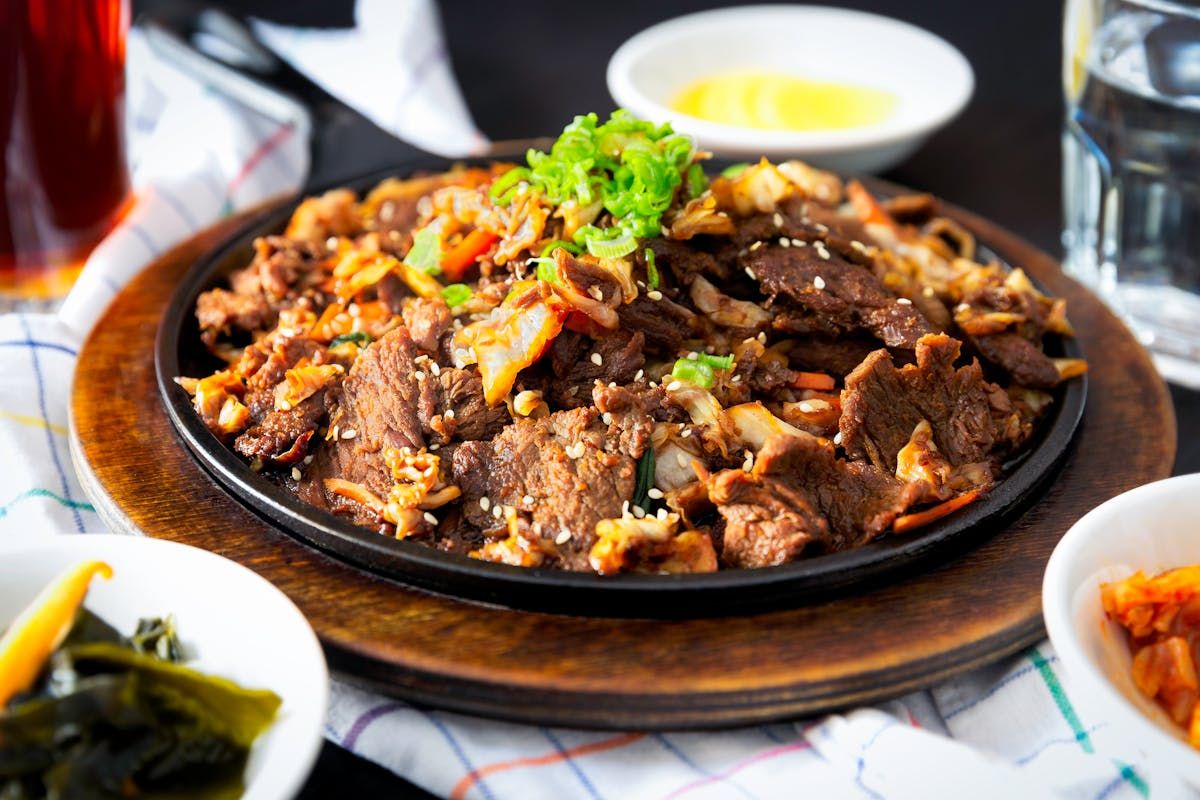
Guance di Manzo Affumicate al Vino Rosso
Scan for full recipe
https://bbq-experience.com/it/ricette/smoked-beef-cheeks-red-wine
Ingredienti
- 4 lbs (1.8 kg) about 6 cheeks Beef cheeks, trimmed
- 2 cups (475ml) Full-bodied red wine (Cabernet or Malbec)
- 2 cups (475ml) Beef stock
- 1 large Onion, quartered
- 2 medium Carrots, roughly chopped
- 2 stalks Celery stalks, roughly chopped
- 6 cloves Garlic cloves, smashed
- 2 tbsp Tomato paste
- 4 sprigs Fresh thyme sprigs
- 2 leaves Bay leaves
- 3 tbsp BBQ rub
- 1 to taste Salt and pepper
- 2 tbsp Olive oil
Istruzioni
-
Trim any excess silver skin from the beef cheeks, leaving a thin layer of fat. Season generously on all sides with the BBQ rub, salt, and pepper. Let them come to room temperature for 30 minutes.
-
Preheat your smoker to 250°F (121°C) using oak or mesquite wood. Place the seasoned beef cheeks directly on the grate and smoke for 3 hours, or until they develop a deep, dark bark. The internal temperature should be around 165°F (74°C) at this point.
-
While the cheeks smoke, heat olive oil in a large Dutch oven over medium-high heat. Saute the onion, carrots, celery, and garlic until caramelized, about 8 minutes. Stir in the tomato paste and cook for 2 more minutes. Deglaze with the red wine, scraping up any brown bits.
-
Add the beef stock, thyme, and bay leaves to the Dutch oven. Transfer the smoked beef cheeks into the liquid -- they should be about two-thirds submerged. Cover with a tight-fitting lid.
-
Place the covered Dutch oven back in the smoker (or transfer to a 300°F/150°C oven). Braise for 4-5 hours, turning the cheeks once halfway through. They are done when a fork slides through with absolutely zero resistance and the meat jiggles when poked.
-
Carefully remove the beef cheeks to a platter and tent with foil. Strain the braising liquid, discard the solids, and reduce by half over medium heat until it coats the back of a spoon. Season to taste. Serve the cheeks with the reduced sauce, over creamy polenta or mashed potatoes.
Ricette Correlate
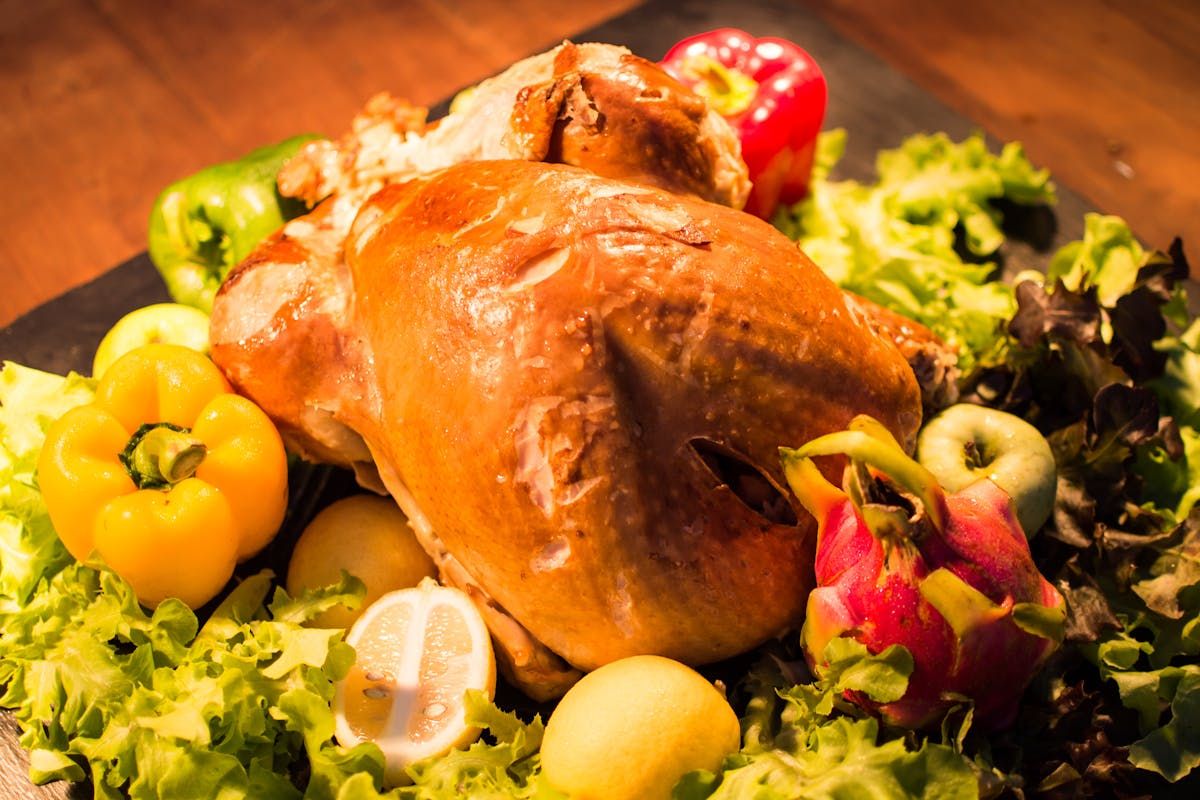
Smoked Spatchcocked Whole Chicken
A whole chicken butterflied and smoked to crispy-skinned, juicy perfection in half the time of a traditional whole bird.
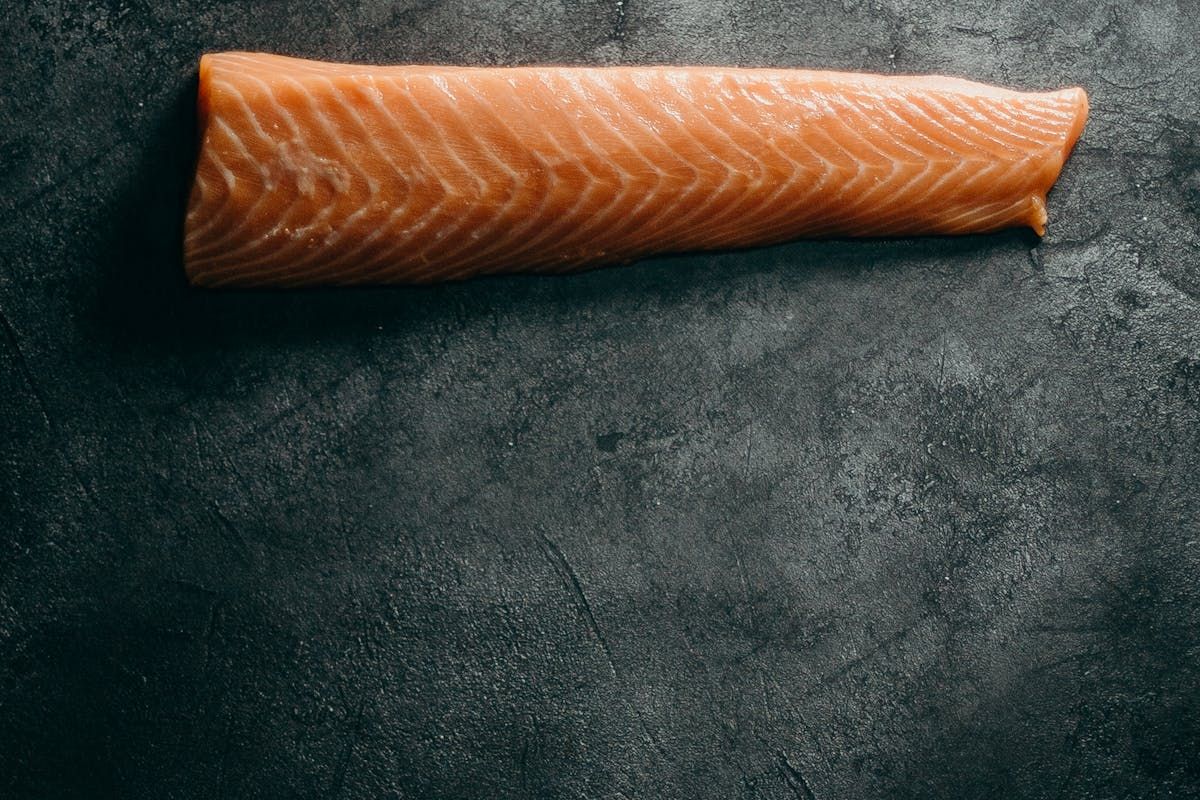
Cedar Plank Smoked Salmon Salmone Affumicato su Tavola di Cedro
Salmone selvaggio affumicato su tavola di cedro con aneto fresco, limone e un tocco di acero -- elegante ma senza sforzo.
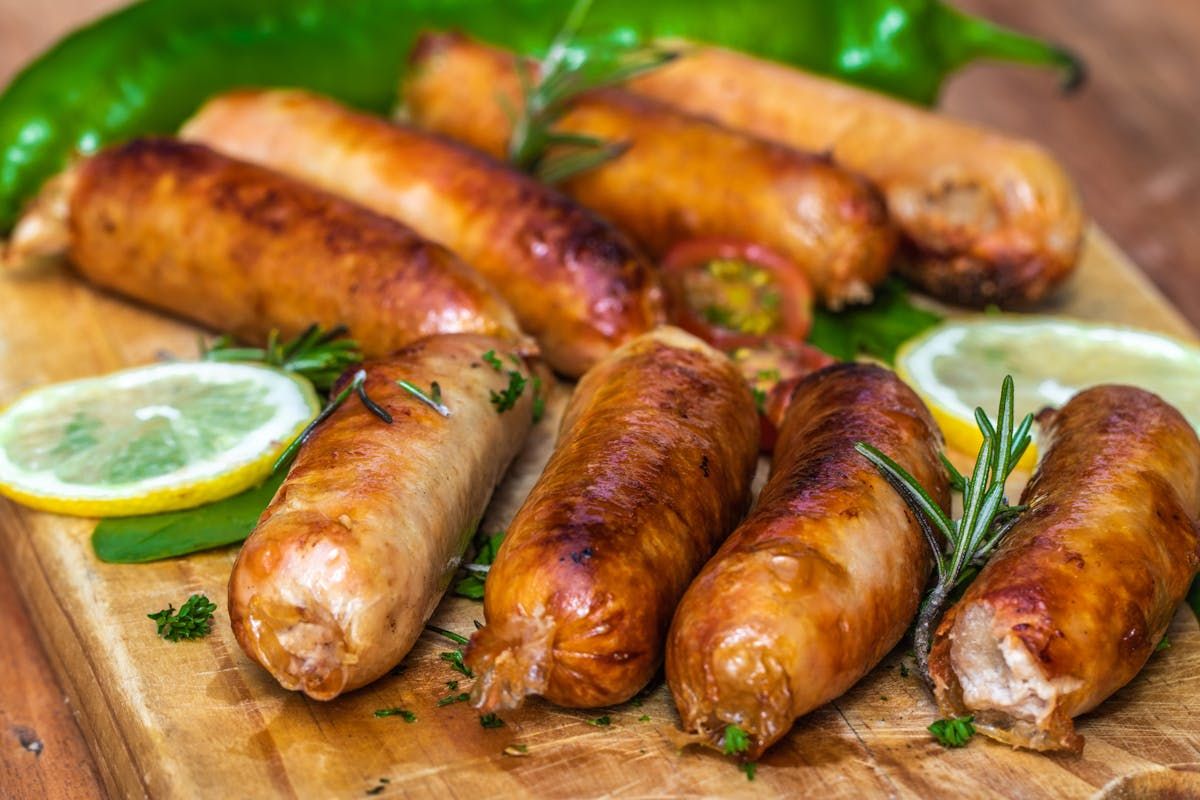
Texas Hot Links Sausage — La Guida Definitiva del Pitmaster
Homemade Texas hot link sausages, coarsely ground, heavily spiced, and smoked until the casings snap with every bite.