The BBQ Rub Bible: Building Flavor from Scratch
Ultima actualizacion: 8 de abril de 2026
Why Most Homemade Rubs Are Bad
Every BBQ website has a "secret rub recipe" that's basically garlic powder, onion powder, paprika, brown sugar, and salt in varying proportions. They're not bad, exactly — they're just generic. They taste the same on pork, beef, chicken, and fish because they're designed to be inoffensive rather than specifically delicious. A great rub is built from the meat backward — starting with what the protein needs and building flavors that complement rather than mask.
I'm going to break down rub construction by component, give you ratios that work, and explain the "why" behind every decision. Once you understand the framework, you'll never need to follow someone else's rub recipe again.
Component 1: Salt — The Foundation (25-35% of Total Rub by Weight)
Salt is the only ingredient in a rub that actually penetrates meat. Everything else sits on the surface. That makes salt the foundation of every rub, and getting the ratio right is the difference between properly seasoned and "I can taste nothing but salt."
The critical detail that most recipes ignore: not all salt is the same volume. A tablespoon of Morton's kosher salt weighs about 18 grams. A tablespoon of Diamond Crystal kosher salt weighs about 10 grams. That's nearly a 2x difference. If a recipe says "2 tablespoons kosher salt" and doesn't specify the brand, you have a coin-flip chance of either perfectly seasoning or drastically over-salting your meat.
My recommendation: measure salt by weight, not volume. For a general-purpose BBQ rub, use 25-30 grams of salt per 100 grams of total rub. For a brisket rub where the salt is the primary flavor (classic Dalmatian/salt-and-pepper), go to 40-50% salt by weight.
Use kosher salt (either brand) or sea salt. Table salt has anti-caking agents that add a faint metallic taste when used in large quantities. Fine salt dissolves faster, which means it penetrates faster during dry brining — good if you're applying the rub just before cooking. Coarse salt dissolves slower — better for overnight applications where you want gradual, even penetration.
Component 2: Sugar — The Bark Builder (15-25% for Pork/Poultry, 0-10% for Beef)
Sugar serves two purposes in a rub: it builds bark (the crusty exterior) through caramelization, and it balances salt and heat. The type of sugar matters more than most people realize.
Brown sugar (light or dark): Adds moisture to the rub, which helps it adhere to the meat. The molasses content adds depth and color. Dark brown sugar has more molasses and produces a darker, more complex bark. This is my default sugar for pork ribs and pork shoulder rubs.
White sugar: Cleaner, sweeter, and caramelizes at a lower temperature than brown sugar. Produces a lighter-colored bark. Useful when you want sweetness without the molasses flavor — good for poultry rubs where you want the chicken flavor to come through.
Turbinado (raw) sugar: Coarse crystals that add texture to the bark. They don't dissolve as completely as white or brown sugar, leaving crunchy pockets on the surface. Excellent for ribs where bark texture is a priority. This is the sugar that competition teams often use.
For beef: Reduce or eliminate sugar. Brisket and beef ribs develop excellent bark from salt, pepper, and Maillard reaction alone. Sugar in a beef rub can create an overly sweet profile that competes with the natural beefy flavor. If you use sugar on beef, keep it under 10% of the total rub and use white sugar rather than brown.
Component 3: Pepper and Heat (10-20%)
Black pepper is the second most important ingredient in most rubs, after salt. Coarse grind (16 mesh) is standard for brisket and beef — the larger particles create texture and release flavor gradually during the long cook. Fine grind is better for rubs that will be applied to thin proteins (chicken wings, fish) where you want even distribution.
Cayenne pepper adds heat without strongly affecting flavor. Start with 1-2% of total rub weight and adjust upward. Remember that heat builds over a long cook — a rub that tastes mildly spicy on your finger will be noticeably hotter after 12 hours on a brisket as the capsaicin concentrates in the bark.
Chili powder (ancho, chipotle, guajillo) adds both heat and flavor — earthy, smoky, fruity depending on the variety. These are excellent in pork rubs and add complexity that cayenne alone doesn't provide. Chipotle powder is my go-to for pork shoulder — it adds a smoky sweetness that layers beautifully with actual wood smoke.
Component 4: Aromatics (10-15%)
Garlic powder and onion powder are the baseline aromatics in virtually every BBQ rub. They're reliable, predictable, and complementary to all meats. Use granulated versions rather than powdered — granulated dissolves slower and provides a more subtle, integrated flavor. Powdered versions can clump and create bitter concentrations.
Beyond the basics:
- Cumin: Earthy, warm, essential in Texas-style rubs. Pairs beautifully with beef. Use sparingly — cumin dominates quickly. 2-3% of total rub.
- Dried thyme: Herbaceous note that cuts through richness. Excellent on pork and poultry. 1-2% of total rub.
- Dried mustard: Tangy, sharp, activates in the presence of heat and moisture. Traditional in Carolina-style rubs. 3-5% of total rub.
- Coriander: Citrusy, slightly floral. Underrated in BBQ rubs. Try it on lamb and poultry. 2-3%.
Component 5: Color and Depth (5-10%)
Paprika is primarily a color agent — it turns bark mahogany-red and adds a subtle sweetness. Hungarian sweet paprika is the standard. Smoked paprika (pimentón) adds smoky flavor, which can be redundant if you're already smoking the meat — use it on grilled proteins where you want smoke flavor without an actual smoker.
When to Apply: The Timing Matrix
Brisket: Apply the night before (12-24 hours). The long dry brine period lets salt penetrate a thick cut. The surface dries in the fridge, promoting better bark.
Pork shoulder: Apply 8-24 hours before. Same logic as brisket — thick cut needs time for salt penetration.
Ribs: Apply 2-4 hours before cooking, or overnight. Ribs are thinner, so they don't need as long for salt penetration, but overnight application builds a more developed bark.
Chicken: Apply 1-2 hours before. Chicken skin absorbs flavors quickly, and too-long salt exposure can make the texture mealy.
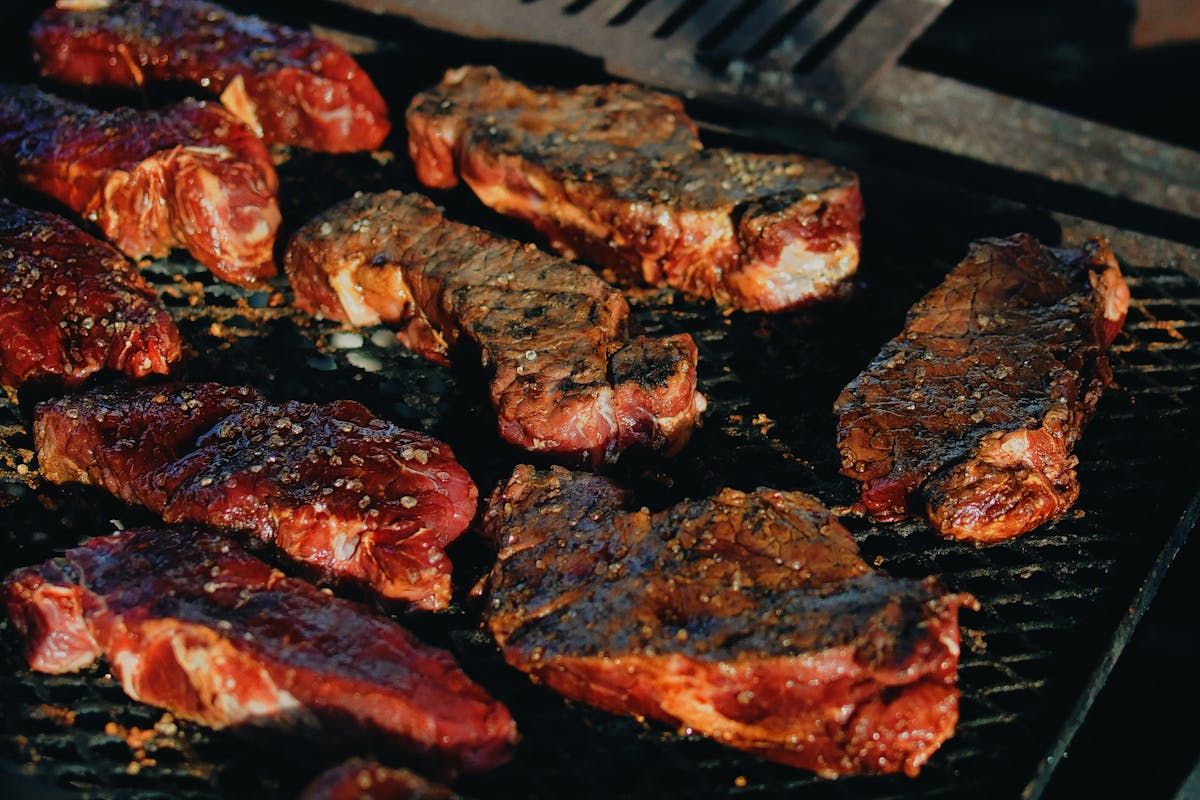
Steaks: Salt 24 hours before (dry brine), apply remaining rub 30 minutes before cooking. This separates the salt's penetration function from the rub's surface flavor function.
Fish: Apply immediately before cooking. Fish flesh is delicate and thin — salt penetrates within minutes. Long exposure will cure the surface and change the texture in undesirable ways.
The Three Mistakes That Ruin Rubs
Mistake 1: Too many ingredients. More than 8-10 ingredients in a rub and the flavors start competing rather than complementing. Every competition rub I've won with has fewer than 8 ingredients. Complexity comes from technique (smoke, heat, time), not from dumping your entire spice rack into a bowl.
Mistake 2: Using pre-ground spices from 2019. Ground spices lose potency rapidly — within 6-12 months, most are shadows of their fresh selves. Smell your garlic powder. If it smells like dust rather than garlic, it's done. Buy small quantities, replace frequently, and store in airtight containers away from heat and light.
Mistake 3: Applying rub to wet meat. If the meat surface is wet (from a fresh marinade, from not patting dry after removing from packaging), the rub turns into a paste that doesn't adhere properly and creates a muddy, inconsistent bark. Always pat the meat dry before applying rub. If you want a binder, use a thin layer of yellow mustard or olive oil — they create tack for the rub to grip without adding excess moisture.