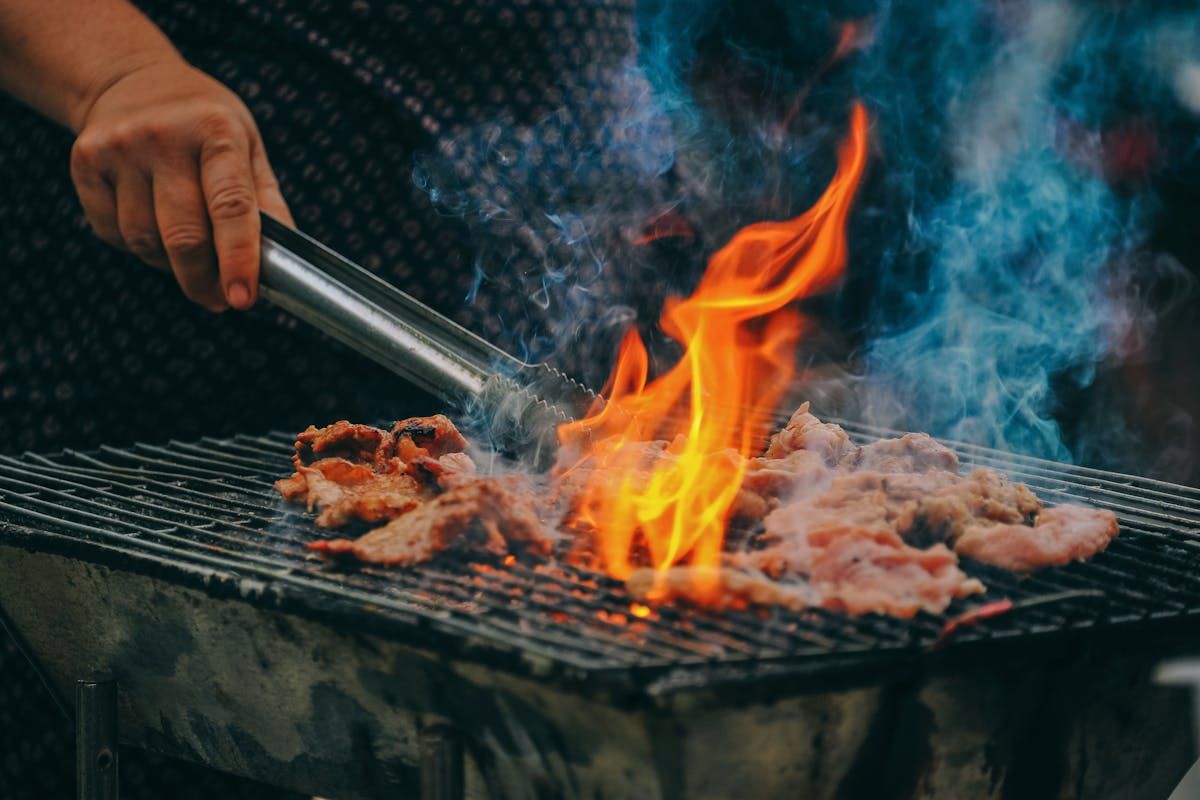
How To Smoke Meat
Last updated: April 11, 2026
If you're still grilling everything over direct heat and calling it BBQ, you're missing the entire point. Learning how to smoke meat is the single most important skill separation between someone who cooks outdoors and an actual pitmaster. Smoking is low temperature, long time, real wood smoke, and patience that most people don't have. This guide covers everything you need to go from zero to producing competition-worthy smoked meat — no fluff, no shortcuts, just the technique that works.
How To Smoke Meat: The Fundamentals You Must Understand First
Smoking is cooking protein at temperatures between 225°F and 275°F using indirect heat and hardwood smoke. That's it. Every other detail — rubs, wraps, spritz bottles, fancy thermometers — is secondary to maintaining consistent low temperature with clean smoke for an extended period.
There are two chemical processes happening simultaneously:
- Collagen breakdown: Connective tissue in tough cuts (brisket, pork shoulder, ribs) begins converting to gelatin at around 160°F and accelerates between 180°F and 205°F. This is what makes smoked meat tender instead of chewy.
- Smoke absorption: Meat absorbs smoke compounds most aggressively in the first 2-3 hours when the surface is still wet. After the bark forms, smoke penetration drops significantly.
The smoke ring — that pink layer beneath the bark — is caused by nitrogen dioxide from combustion reacting with myoglobin in the meat. It's cosmetic, not a flavor indicator, but it tells you that you had proper combustion happening early in the cook.
Actionable takeaway: Focus your best wood and cleanest smoke in the first 3 hours. After that, maintaining temperature matters more than adding smoke.
Choosing Your Smoker: Match the Tool to Your Commitment Level
Every smoker type has trade-offs. Here's the honest breakdown:
| Smoker Type | Temp Control | Smoke Flavor | Learning Curve | Price Range |
|---|---|---|---|---|
| Offset stick burner | Manual — requires constant attention | Best authentic smoke | Steep | $300–$2,000+ |
| Kamado (Big Green Egg, Kamado Joe) | Excellent once dialed in | Very good | Moderate | $500–$2,500 |
| Pellet grill (Traeger, RecTeq) | Set-and-forget digital | Mild — some call it "oven with smoke" | Easy | $400–$1,800 |
| Vertical water smoker (WSM) | Good with practice | Very good | Moderate | $200–$500 |
| Kettle grill (indirect setup) | Challenging for long cooks | Good | Moderate-High | $150–$350 |
The Weber Smokey Mountain 22" is the best value in smoking. Period. It holds 225°F for 12+ hours on a single load of charcoal, costs under $500, and has produced more award-winning competition BBQ than smokers costing ten times as much.
Pellet grills are convenient, but the smoke flavor is noticeably lighter. If you're cooking brisket, you'll feel the difference. For chicken and ribs, most people won't notice.
Actionable takeaway: Start with a Weber Smokey Mountain or a kettle grill set up for indirect cooking. Master fire management before spending serious money on equipment.
Wood Selection: The Flavor Variable Most People Get Wrong
Wood is not a decoration. It's a seasoning ingredient that will define your final product. Using the wrong wood, or too much of it, is the fastest way to ruin an otherwise good cook.
Wood and Meat Pairing Guide
- Hickory: The classic all-rounder. Strong, bacon-like flavor. Best with pork shoulder, ribs, and bacon. Can turn bitter if over-smoked — use 3-4 fist-sized chunks for a full cook, not more.
- Oak (post oak): The Texas brisket standard. Medium intensity, clean smoke. Burns long and consistent. Best for beef.
- Cherry: Mild and slightly sweet. Gives a mahogany color to the bark. Excellent blended 50/50 with hickory for ribs.
- Apple: Light and fruity. Needs longer exposure to make an impact. Best for poultry and pork loin — delicate proteins that overpower easily.
- Mesquite: Intensely strong. Use only for hot-and-fast cooks or as a minor blend component (20% max). A full brisket on pure mesquite will taste like a campfire.
- Pecan: Hickory's milder cousin. Works with everything. If you're unsure, pecan is the safest choice.
Critical rule: Only use seasoned hardwood that has been dried for at least 6 months. Green wood produces thick white smoke full of creosote that coats your meat in a bitter, acrid flavor. You want thin, blue-ish smoke — barely visible. If your smoke looks like a diesel truck, something is wrong.
Actionable takeaway: Start with post oak or pecan for your first cooks. They're forgiving and produce clean smoke even if your fire management isn't perfect yet.
How To Smoke Meat Step by Step: Your First Cook
Start with a pork butt (Boston butt), 8-10 lbs. It's the most forgiving cut in BBQ — high fat content, tons of collagen, and nearly impossible to overcook. If you can ruin a pork butt, smoking might not be for you.
Preparation (Night Before)
- Trim any loose flaps and the thick fat cap down to about 1/4 inch. Leaving too much cap prevents bark formation and rub penetration.
- Apply a binder — plain yellow mustard works fine. It burns off completely but gives the rub something to stick to.
- Season with a simple rub: 1/2 cup coarse black pepper, 1/2 cup kosher salt, 1/4 cup paprika, 2 tbsp garlic powder, 2 tbsp onion powder. Apply generously on all sides.
- Wrap in plastic and refrigerate overnight. This lets the salt penetrate and the rub adhere (dry brining effect).
The Cook
- Hour 0: Start your fire and stabilize the smoker at 250°F (measured at grate level, not the lid thermometer — lid thermometers lie by 25-50°F). Add 2-3 chunks of hickory or cherry wood.
- Hour 0.5: Place the pork butt fat cap up (or down if your heat source is directly below — fat cap faces the heat). Insert a probe thermometer into the thickest part, avoiding bone.
- Hours 1-4: Maintain 250°F. Spritz with apple cider vinegar every 90 minutes after the first 2 hours. Don't open the lid more than necessary — every peek adds 15-20 minutes to your cook.
- Hours 4-6: You'll hit the stall around 155-165°F internal. The meat sweats, evaporative cooling counteracts the heat, and the temperature flatlines. This is normal. You have two options:
Option A — Ride it out: Keep cooking. The stall can last 2-4 hours. Total cook time: 12-16 hours.
Option B — Texas Crutch: Wrap tightly in butcher paper (not foil — foil steams the bark off) when internal temp hits 165°F. This breaks through the stall faster. Total cook time: 10-12 hours.
- Target internal temperature: Pull the pork butt at 203°F. But temperature is a guide, not a rule — the real test is the probe test. Stick a thermometer probe or toothpick into the meat. It should slide in with zero resistance, like poking warm butter.
- Rest: Wrap in butcher paper, then a towel, and place in a cooler (no ice) for minimum 1 hour, ideally 2-3 hours. Resting redistributes juices and continues tenderizing through carryover heat. Skipping this step is the number one beginner mistake.
Actionable takeaway: Use butcher paper wraps over foil. You'll preserve bark texture while still pushing through the stall efficiently. And always, always rest your meat.
Temperature Control: The Skill That Separates Amateurs From Pitmasters
If you can hold 225-275°F for 12 hours straight, you can smoke anything. The problem is that most beginners panic at every fluctuation and start opening vents, adding fuel, and adjusting dampers constantly — which creates more instability, not less.
The Rules of Fire Management
- Control airflow, not fuel. Your intake vent controls temperature. More air = hotter fire. Exhaust vent stays 100% open at all times — closing it chokes the fire and creates dirty smoke.
- Small adjustments only. Move the intake damper 1/4 inch at a time and wait 15 minutes before adjusting again. The thermal mass of your smoker means changes are delayed.
- Start hot, bring down. It's much easier to bring a 300°F smoker down to 250°F by closing the intake than to raise a 200°F smoker by opening it. Overshoot your target by 25°F, then dial back.
- The minion method (for charcoal): Fill your charcoal chamber with unlit briquettes, then pour 20-30 lit briquettes on top. The lit coals slowly ignite the unlit ones, giving you 10-14 hours of steady heat without refueling.
Invest in a dual-probe wireless thermometer — one probe in the meat, one at grate level. The ThermoWorks Smoke X4 or the Meater+ are worth every penny. You cannot manage what you cannot measure.
Actionable takeaway: Set your vents and walk away for 30 minutes. Resist the urge to fiddle. Stability comes from patience, not constant adjustment.
Common Mistakes and How To Fix Them
After watching hundreds of beginners attempt their first smokes, these are the failures I see repeatedly:
- Too much smoke. If your food tastes like an ashtray, you used too much wood. Reduce to 2-3 chunks total. You're smoking meat, not curing leather.
- Cooking by time, not temperature. "8 hours at 225" is a loose estimate, not a recipe. Every cut is different. A 10 lb pork butt might be done in 10 hours or 16. Internal temperature and probe feel are the only indicators that matter.
- Not preheating long enough. Your smoker needs 30-45 minutes to stabilize after reaching target temp. Putting meat on a fluctuating cooker means an uneven cook from the start.
- Opening the lid constantly. Every time you open the lid, you lose 50-75°F and need 10-15 minutes to recover. Get a wireless thermometer and stop peeking.
- Slicing too early. Cutting into brisket or pork butt without proper rest dumps all the rendered fat and juice onto your cutting board instead of keeping it in the meat. It's the difference between moist and dry.
- Starting with brisket. Brisket is the PhD of smoking. Start with pork butt (most forgiving), then ribs (medium difficulty), then brisket (least forgiving). Earn your way up.
Actionable takeaway: Smoke 5 pork butts before you attempt your first brisket. Each cook teaches you something about your specific smoker's behavior that no article can replicate.
Quick Reference: Temperatures and Times by Cut
| Cut | Weight | Smoker Temp | Target Internal | Estimated Time | Difficulty |
|---|---|---|---|---|---|
| Pork butt | 8-10 lbs | 250°F | 203°F | 10-16 hrs | Beginner |
| Baby back ribs | 1.5-2 lbs/rack | 250°F | 195-203°F | 4-5 hrs | Beginner |
| Spare ribs | 2.5-3.5 lbs/rack | 250-275°F | 195-203°F | 5-6 hrs | Beginner |
| Whole chicken | 4-5 lbs | 275-325°F | 165°F (breast) | 2.5-3.5 hrs | Beginner |
| Beef brisket (whole packer) | 12-16 lbs | 250°F | 203°F | 12-18 hrs | Advanced |
| Pork belly burnt ends | 3-5 lbs | 250°F | 200°F | 4-5 hrs | Intermediate |
| Beef short ribs | 3-4 lbs | 250-275°F | 203-210°F | 6-8 hrs | Intermediate |
| Turkey breast | 6-8 lbs | 275°F | 165°F | 3-4 hrs | Beginner |
All times are estimates based on 250°F smoker temperature. Actual time depends on meat thickness, humidity, wind, and your specific cooker. Always cook to internal temperature, never to time.
Conclusion
Smoking meat is not complicated — it's just slow. Maintain your fire at 250°F, use clean hardwood smoke, monitor internal temperature, and have the discipline to let the meat rest when it's done. Start with pork butt, learn what your smoker does at every vent position, and build from there. The best BBQ doesn't come from the most expensive equipment or the fanciest rub. It comes from someone who has done it enough times to know exactly when to leave the meat alone.
FAQ
How long does it take to smoke meat?
It depends entirely on the cut, size, and smoker temperature. A 2 lb rack of baby back ribs takes 4-5 hours at 250°F. An 8-10 lb pork butt takes 10-16 hours at the same temperature. A 14 lb whole packer brisket can take 12-18 hours. The general rule of thumb is 1 to 1.5 hours per pound for large cuts at 250°F, but always cook to internal temperature (typically 195-203°F for collagen-heavy cuts), not to a clock.
What is the best wood for smoking meat?
Post oak is the most versatile — clean, medium intensity, burns consistently, and works with any protein. For pork specifically, hickory or a hickory-cherry blend (50/50) gives the best flavor. For poultry and fish, stick with fruitwoods like apple or cherry. Avoid mesquite for anything over 2 hours — it turns bitter. Pecan is the safest all-purpose choice if you want to buy one wood and use it for everything.
Do I need to soak wood chunks before smoking?
No. This is one of the most persistent myths in BBQ. Wood only absorbs water into the outer 1-2mm after 24 hours of soaking. All you accomplish is delaying combustion for a few minutes while the surface moisture steams off. That steam isn't smoke — it adds nothing to flavor and can actually cool your fire. Use dry, seasoned wood chunks and let them combust properly to produce clean, thin smoke.
What temperature should I smoke meat at?
250°F is the sweet spot for most cuts. It's hot enough to render fat and break down collagen efficiently, but cool enough to allow 2-3 hours of smoke absorption before the bark seals. Some pitmasters run 225°F for maximum tenderness on brisket, while others go 275°F for a faster cook on ribs and chicken. Stay within the 225-275°F range and you'll produce excellent results. Anything below 200°F risks the meat sitting in the bacterial danger zone too long. Anything above 300°F is roasting, not smoking.
How do I know when smoked meat is done?
Internal temperature plus the probe test. For pulled pork and brisket, target 203°F internal — but temperature alone isn't sufficient. Insert a thermometer probe or thin skewer into the thickest part of the meat. It should slide in and out with zero resistance, like inserting it into room-temperature butter. If there's any grab or resistance, keep cooking regardless of what the thermometer reads. For poultry, 165°F internal in the breast is the food-safe target — no probe test needed.