Best Woods for Smoking: Hickory vs Mesquite vs Cherry vs Apple
Last updated: April 8, 2026
Introduction
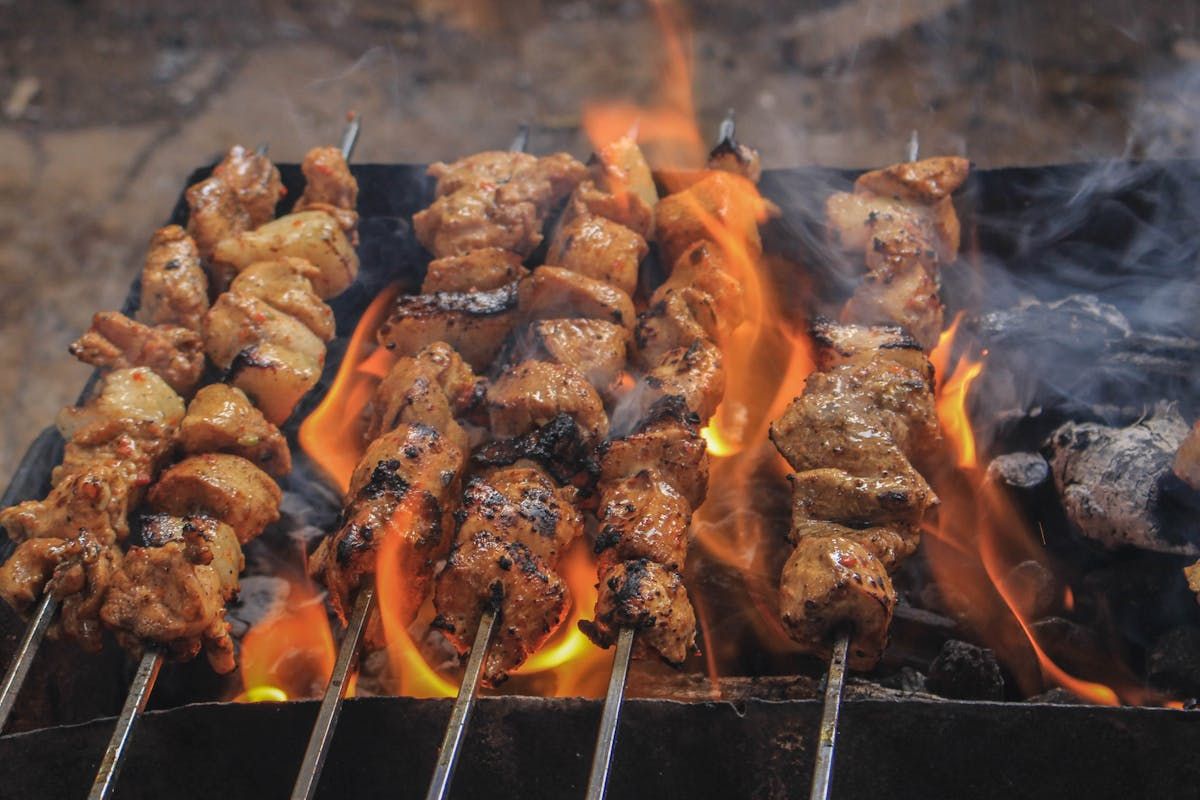
The best wood for smoking meat can significantly impact the flavor and texture of your BBQ. Whether you're a seasoned pitmaster or just starting out, understanding the nuances between different types of wood is crucial. Today, we'll dive into four popular choices: hickory, mesquite, cherry, and apple, exploring their unique profiles and when to use them in your smoking adventures.
The Best Wood for Smoking Meat: Hickory
Hickory is a classic choice among pitmasters. Its robust, smoky flavor makes it ideal for strong-flavored meats like brisket or pork shoulder. To achieve the perfect smoke ring and intense wood flavor, hickory works best at temperatures between 225°F and 275°F (107°C to 135°C). A good rule of thumb is to use about one chunk per hour for a standard smoker with a capacity of around 65-85 lbs (30-40 kg).
Smoking Time
Hickory smoking typically takes 8-12 hours, depending on the cut and weight of the meat. Plan accordingly to ensure your meat is fully cooked and infused with rich flavor.
The Best Wood for Smoking Meat: Mesquite
Mesquite offers a distinctively pungent and slightly bitter taste that pairs well with beef or game meats. It's best used in smaller quantities due to its intense flavor, especially at temperatures between 250°F and 300°F (121°C to 149°C). For a smoker capable of handling up to 60 lbs (27 kg), use about one chunk per two hours.
Smoking Time
Mesquite smoking usually takes 6-8 hours, offering a concentrated flavor in less time than hickory but still allowing for deep penetration into the meat.
The Best Wood for Smoking Meat: Cherry
Cheeky grin! Cherry wood is often overlooked but delivers a subtle sweetness that complements poultry and fish beautifully. It works best between 225°F and 275°F (107°C to 135°C) with about one chunk per hour for a smoker holding up to 60 lbs (27 kg).
Smoking Time
Cooking time can range from 8-12 hours, providing ample opportunity for the sweet and mild smoke flavor to meld into your meat.
The Best Wood for Smoking Meat: Apple
For those seeking a milder yet still distinctively sweet smoke, apple wood is an excellent choice. It's ideal for pork ribs or chicken breasts, with smoking temperatures between 225°F and 275°F (107°C to 135°C). Use one chunk every hour in a smoker holding about 60 lbs (27 kg).
Smoking Time
The sweet apple smoke will infuse your meat with its flavor for around 8-12 hours, making it perfect for long-smoked dishes.
Frequently Asked Questions (FAQ)
- HQ: Can I mix different types of wood? Yes, mixing can create unique flavor profiles. However, be cautious with mesquite due to its strong taste; hickory and apple work well together for balanced flavors.
- HQ: How do I know when the wood is ready to use? Wood chunks should be dry and free of sap or moisture. Freshly cut wood can be aged in a dry place for 6-12 months to enhance its smoking properties.
- HQ: What if my meat doesn’t taste smoky enough? Ensure your smoker temperature is consistent within the recommended range, and that you're using enough wood. Too little smoke can result from insufficient heat or too few chunks.
- HQ: Can I use sawdust instead of wood chunks for smoking? Sawdust can be used but often requires a smoker with a dedicated sawdust pan to avoid excess ash and ensure even burning. Chunks are generally preferred as they provide better airflow and more consistent smoke.
- HQ: How do I know when the meat is fully smoked? Check for internal temperature using a thermometer, typically reaching 165°F (74°C) for safety. Visual cues like a good bark and tender texture also indicate readiness.
Conclusion
The best wood for smoking meat depends on your personal taste preferences and the type of dish you're preparing. Hickory, mesquite, cherry, and apple each bring unique flavors to the table, offering versatile options whether you prefer bold and smoky or subtle and sweet. Experimenting with different woods can lead to some of the most delicious BBQ experiences.