Last updated: April 3, 2026
Smoked wings have a reputation problem. Most people's experience with them is rubbery, flabby-skinned, smoke-flavored disappointments that taste like they were cooked by someone who gave up halfway through. The smoke flavor is great; the texture is terrible. Fried wings have the crunch but no smoke. What I'm about to show you is how to get both — genuinely crispy skin on a fully smoked chicken wing, no fryer required.
The secret is a combination of three things: a baking powder dry brine that raises the skin's pH and promotes browning, a medium-smoke phase that builds flavor without waterlogging the skin, and a high-heat finish that crisps everything up. I've served these at cookouts where people literally don't believe they weren't fried. That's the goal.
Total time is about 90 minutes, which makes this one of the fastest smoked proteins you can do. Perfect for a weeknight cook or as an appetizer while your brisket is still going.
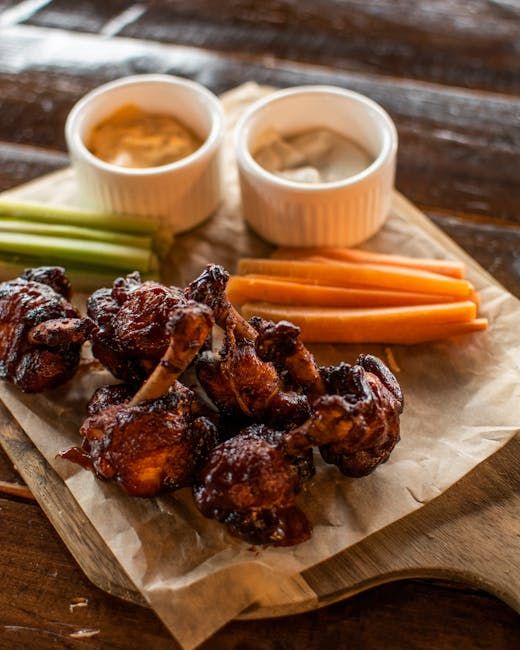
Smoked Chicken Wings — Crispy Without Frying
Scan for full recipe
https://bbq-experience.com/en/recipes/smoked-chicken-wings-crispy-without-frying
Ingredients
- 3 lbs Chicken wings (flats and drums separated — ask your butcher or cut them yourself)
- 1 tbsp Aluminum-free baking powder (NOT baking soda — this is critical)
- 1 tsp Kosher salt
- 1 tsp Garlic powder
- 1 tsp Smoked paprika
- 0.5 tsp Onion powder
- 0.5 tsp Black pepper
- 0.3 tsp Cayenne pepper
- --- SAUCE (applied at the end, NOT during smoking) ---
- 0.5 cup Your preferred wing sauce (I use a 50/50 mix of Frank's RedHot and melted butter)
- Or: 1/2 cup BBQ sauce thinned with 2 tbsp apple cider vinegar
- --- OPTIONAL ---
- 2 wood chunks (apple or cherry — mild fruit woods work best for poultry)
Instructions
- 1
Dry brine with baking powder — minimum 1 hour, ideally overnight
Pat wings completely dry with paper towels — this step is not optional. Moisture on the surface is the enemy of crispy skin. In a large bowl, toss the wings with baking powder, salt, garlic powder, smoked paprika, onion powder, black pepper, and cayenne. Every wing should be evenly coated. Place on a wire rack over a sheet pan and refrigerate uncovered for at least 1 hour, ideally overnight. The baking powder raises the pH of the skin, which accelerates the Maillard reaction and helps render subcutaneous fat. The overnight dry in the fridge dehydrates the surface. Both are essential for crispy results.
- 2
Set up smoker — 275°F for the initial phase
Set your smoker or grill for indirect heat at 275°F. This is higher than typical smoking temperature, and that's intentional — we want the skin to begin rendering immediately. Add 1-2 chunks of apple or cherry wood for smoke. Avoid hickory or mesquite for wings — the meat is thin enough that aggressive wood species will overpower the chicken flavor in the short cook time.
- 3
Smoke at 275°F for 45-50 minutes
Place wings directly on the grate in a single layer — no stacking, no overlapping. Close the lid and smoke for 45-50 minutes without opening. During this phase, the wings are absorbing smoke flavor while the baking powder coating begins to dry and set. Internal temperature should reach approximately 155-160°F by the end of this phase. The skin will look golden but won't be crispy yet — that comes next.
- 4
High-heat finish — 375-400°F for 20-25 minutes
Increase your cooker temperature to 375-400°F. On a kamado, open the vents. On a pellet grill, crank the dial. On a charcoal grill, open the vents fully and add more lit charcoal if needed. On a gas grill, turn up the burner under the indirect side. Cook for 20-25 minutes at this higher temperature, flipping the wings once at the halfway point. The skin will blister, tighten, and become genuinely crispy. You'll hear them sizzle when you flip them — that's the rendering fat crisping the skin from the inside out. Internal temperature should reach 185-190°F. Yes, that's higher than the 'safe' 165°F — chicken wings are better at higher temps because the collagen in the joints and connective tissue needs to break down for the best texture.
- 5
Sauce — timing is everything
Remove wings from the grill. Sauce them NOW, in a large bowl, tossing to coat evenly. Do NOT sauce the wings on the grill — the sugars in most sauces will burn at 375°F+ and create a bitter, blackened mess. Do NOT sauce them and then put them back on the grill 'to set' — this steams the skin under the sauce and destroys the crispiness you spent 90 minutes building. Sauce, toss, serve immediately. The residual heat from the wings will warm the sauce and meld the flavors. If you want a sauced-and-set finish, apply sauce during the last 3-4 minutes of the high-heat phase only — but accept that the skin directly under the sauce will soften.
- 6
Serve immediately
Smoked wings are a time-sensitive food. They're at peak crispiness the moment they come off the grill and get sauced. Every minute they sit, the skin softens. Serve them on a platter, not in a covered container (steam = soggy). Accompany with celery, blue cheese or ranch, and extra sauce on the side. These wings don't need a rest period — unlike large cuts, there's no juice redistribution happening in a chicken wing. Eat them while they're hot and crunchy.
Related Recipes
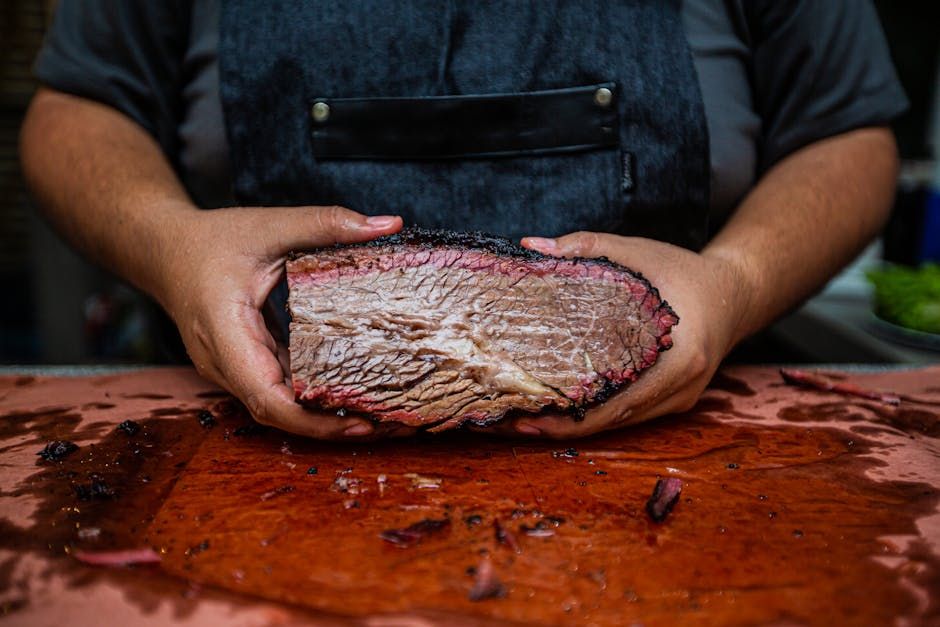
Burnt Ends — Kansas City Style, From the Brisket Point
Real burnt ends come from the point of a whole packer brisket, not from pre-cubed chuck roast or pork belly shortcuts. Here's the full method: smoke the whole brisket, separate the point, cube it, sauce it, and send it back for the caramelization that makes burnt ends legendary.
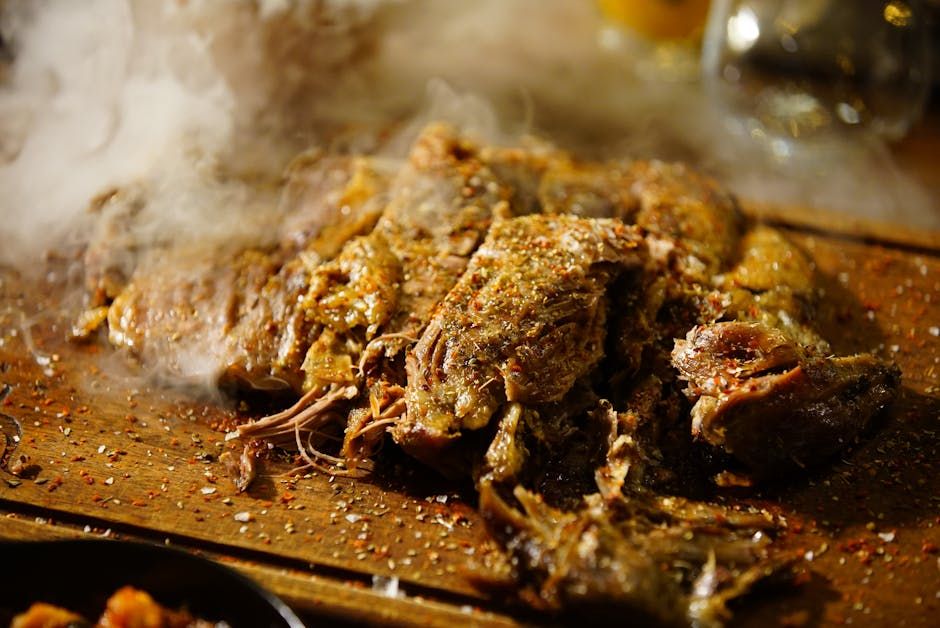
Competition-Style Pork Shoulder — 14-Hour Smoke with Injection
The real competition pork shoulder method: injected, rubbed overnight, smoked at 225°F (107°C) for 14-16 hours with specific bark formation strategy. No shortcuts, no wrapping early, no apologizing for how long it takes.
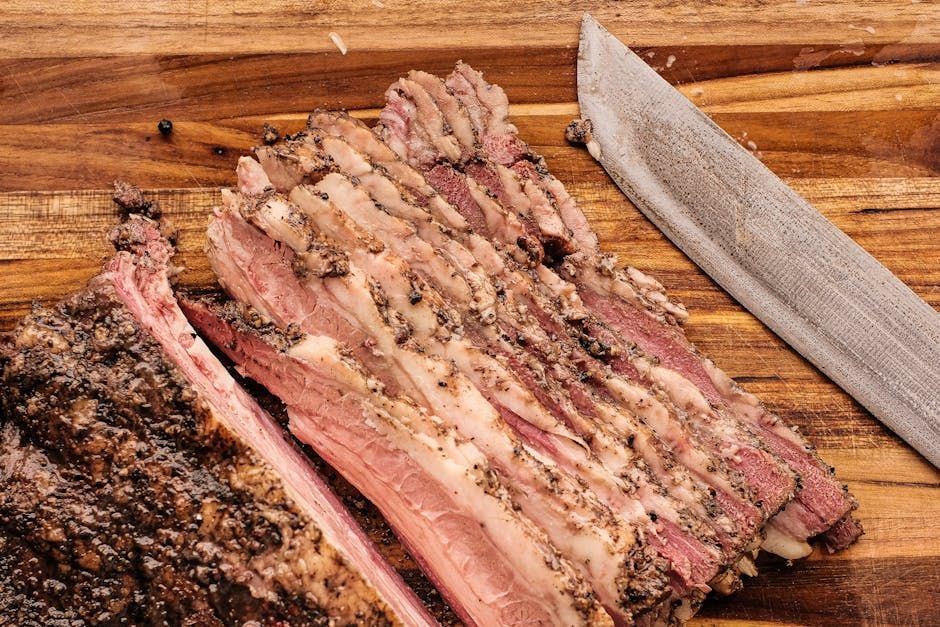
Texas-Style Smoked Brisket
The real deal. No shortcuts, no injections, no wrapping if you have the patience. Salt, pepper, post oak, and 14 hours of your life you will never regret. This is the cook that separates pitmasters from grillers.