Last updated: April 8, 2026
The Cut the Pros Do Not Want You to Know About
Beef cheeks are the pitmaster's secret weapon. While everyone fights over brisket flats and prime ribs, the beef cheek sits quietly at the butcher counter, criminally underpriced and absurdly flavorful. These small, hard-working muscles from the jaw of the cow are loaded with collagen that breaks down during a long cook into the most luscious, spoonable meat you have ever tasted.
Why Beef Cheeks?
A cow chews thousands of times a day, which means the cheek muscles are incredibly well-developed and dense with connective tissue. That connective tissue is pure collagen, which transforms into gelatin during low-and-slow cooking. The result is meat with a texture that brisket can only dream of -- silky, rich, and so tender it barely holds its shape on the fork.
The Two-Stage Approach
This recipe combines the best of two worlds: American smoking and French braising. First, the cheeks get 3 hours of heavy smoke to build a deep bark and infuse that smoky flavor into every fiber. Then they move into a Dutch oven with red wine, beef stock, aromatics, and herbs for a long braise that converts all that collagen into liquid gold.
Choosing the Wine
Use a full-bodied red wine that you would actually drink -- Cabernet Sauvignon, Malbec, or Syrah are all excellent choices. The wine concentrates during braising, so any off-flavors will be amplified. Avoid cooking wine at all costs. A good rule: if you would not drink it, do not cook with it.
The Long Game
This is an 8-hour cook, and there are no shortcuts. The cheeks need every minute of that time to fully break down the collagen. You will know they are done when a fork slides through with zero resistance and the meat jiggles when you poke it. If there is any tug or pull, they need more time.
The Sauce
After removing the cheeks, the braising liquid is a concentrated sauce that needs nothing more than a quick reduction. Strain it, reduce it by half, and you have a silky, wine-infused BBQ sauce that belongs in a Michelin-starred restaurant.
Pro Tips
- Ask your butcher to trim the cheeks of excess silver skin but leave some fat for basting
- Sear the cheeks in a hot cast iron pan before smoking for deeper bark development
- Use oak or mesquite for the smoking phase -- beef cheeks can handle bold smoke
- The braising liquid makes an incredible pasta sauce the next day
- These reheat beautifully -- some say they are even better the second day as the flavors meld
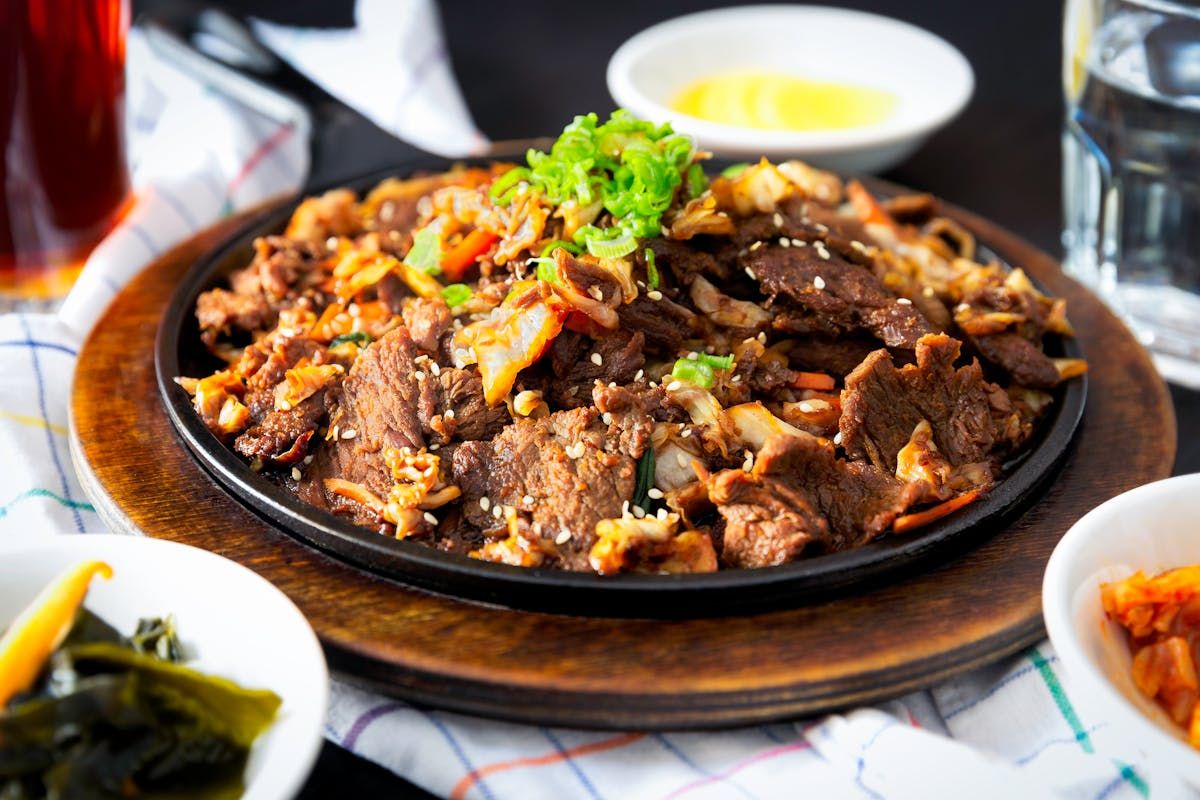
Smoked Beef Cheeks with Red Wine
Scan for full recipe
https://bbq-experience.com/en/recipes/smoked-beef-cheeks-red-wine
Ingredients
- 4 lbs (1.8 kg) about 6 cheeks Beef cheeks, trimmed
- 2 cups (475ml) Full-bodied red wine (Cabernet or Malbec)
- 2 cups (475ml) Beef stock
- 1 large Onion, quartered
- 2 medium Carrots, roughly chopped
- 2 stalks Celery stalks, roughly chopped
- 6 cloves Garlic cloves, smashed
- 2 tbsp Tomato paste
- 4 sprigs Fresh thyme sprigs
- 2 leaves Bay leaves
- 3 tbsp BBQ rub
- 1 to taste Salt and pepper
- 2 tbsp Olive oil
Instructions
-
Trim any excess silver skin from the beef cheeks, leaving a thin layer of fat. Season generously on all sides with the BBQ rub, salt, and pepper. Let them come to room temperature for 30 minutes.
-
Preheat your smoker to 250°F (121°C) using oak or mesquite wood. Place the seasoned beef cheeks directly on the grate and smoke for 3 hours, or until they develop a deep, dark bark. The internal temperature should be around 165°F (74°C) at this point.
-
While the cheeks smoke, heat olive oil in a large Dutch oven over medium-high heat. Saute the onion, carrots, celery, and garlic until caramelized, about 8 minutes. Stir in the tomato paste and cook for 2 more minutes. Deglaze with the red wine, scraping up any brown bits.
-
Add the beef stock, thyme, and bay leaves to the Dutch oven. Transfer the smoked beef cheeks into the liquid -- they should be about two-thirds submerged. Cover with a tight-fitting lid.
-
Place the covered Dutch oven back in the smoker (or transfer to a 300°F/150°C oven). Braise for 4-5 hours, turning the cheeks once halfway through. They are done when a fork slides through with absolutely zero resistance and the meat jiggles when poked.
-
Carefully remove the beef cheeks to a platter and tent with foil. Strain the braising liquid, discard the solids, and reduce by half over medium heat until it coats the back of a spoon. Season to taste. Serve the cheeks with the reduced sauce, over creamy polenta or mashed potatoes.
Related Recipes

Smoked Pork Belly Burnt Ends
Cubed pork belly smoked low and slow, tossed in a sticky brown sugar glaze until caramelized and irresistible.
BBQ-Glazed Smoked Meatloaf
Classic meatloaf smoked until crusty on the outside, moist on the inside, and lacquered with a tangy BBQ glaze.
Beer Can Chicken - Smoky and Crispy
A whole chicken perched on a beer can, smoked until the skin is shatteringly crispy and the meat is juicy to the bone.