Last updated: April 3, 2026
Burnt ends are the single greatest thing to ever come out of Kansas City barbecue, and I include Arthur Bryant's sauce and Joe's Z-Man sandwich in that comparison. They are cubes of smoky, fatty, sauce-glazed brisket point that have been cooked twice — once as part of the whole brisket and again after cubing and saucing — until the exterior is caramelized and the interior is melt-in-your-mouth tender with pockets of rendered fat that dissolve on your tongue.
Real burnt ends take time. You're smoking a whole packer brisket for 12-14 hours, separating the point from the flat, cubing the point, saucing it, and putting it back in the smoker for another 2-3 hours. Total investment: 14-17 hours. There are "shortcut" recipes online using pre-cubed chuck roast or pork belly — they're fine foods, but they are not burnt ends. Calling cubed pork belly "burnt ends" is like calling a hamburger a steak because they're both beef. The result is different in texture, flavor, and every other dimension that matters.
This recipe assumes you already know how to smoke a brisket. If you don't, go learn that first. Burnt ends are a graduate-level technique that starts with an undergraduate degree in brisket.
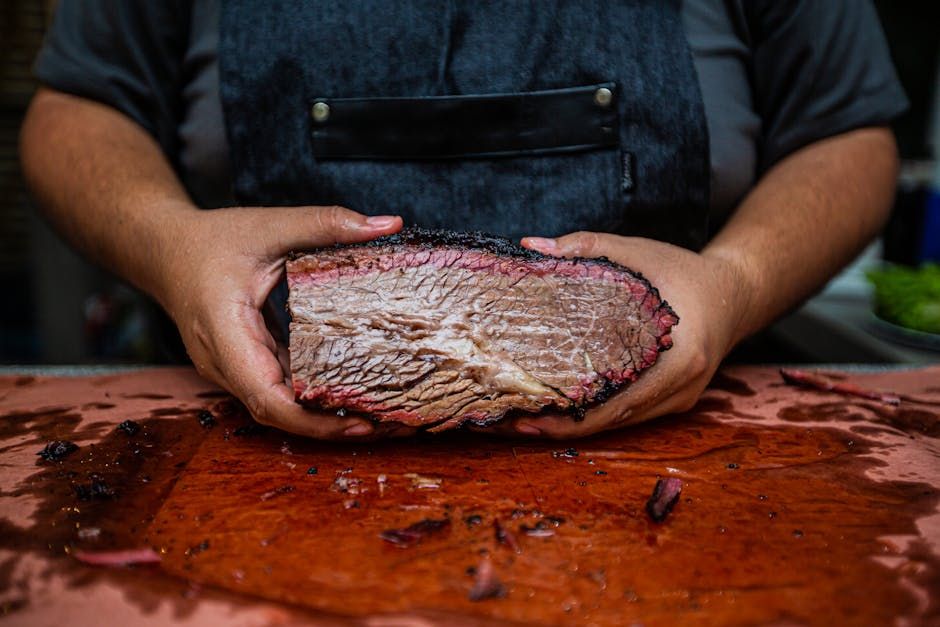
Burnt Ends — Kansas City Style, From the Brisket Point
Scan for full recipe
https://bbq-experience.com/en/recipes/burnt-ends-kansas-city-style-brisket-point
Ingredients
- 1 whole packer Brisket, 12-16 lbs (USDA Choice minimum, Prime preferred)
- --- BRISKET RUB ---
- 0.5 cup Coarse kosher salt (Diamond Crystal)
- 0.5 cup Coarse black pepper (16 mesh preferred for brisket)
- 2 tbsp Garlic powder
- 1 tbsp Onion powder
- --- BURNT ENDS SAUCE ---
- 1 cup BBQ sauce (Kansas City style — sweet and thick. I use a 50/50 mix of Gates Original and Blues Hog Original)
- 2 tbsp Honey
- 2 tbsp Unsalted butter, melted
- 1 tbsp Hot sauce (Crystal or Frank's — not sriracha, wrong flavor profile)
- 1 tbsp Apple cider vinegar
- --- ADDITIONAL ---
- Yellow mustard (as binder for rub application)
- Beef tallow or butter (for wrapping phase)
- Peach butcher paper (for wrapping brisket flat)
Instructions
- 1
Trim and season the whole packer brisket (night before)
Trim the fat cap to 1/4 inch thickness. Remove any hard pieces of suet or surface fat that won't render. Trim the point's large exterior fat deposits but leave the intermuscular fat (the seam between point and flat) intact — this is what makes burnt ends work. Apply a thin layer of yellow mustard as a binder, then coat generously with the salt, pepper, garlic, and onion rub. Wrap in butcher paper and refrigerate overnight.
- 2
Smoke the whole brisket — 250°F, 10-12 hours
Set your smoker to 250°F with oak or hickory wood. Place the brisket fat-side down (on an offset) or fat-side up (on a kamado/WSM). Smoke unwrapped for 6-8 hours until the bark is deeply set and mahogany-colored. Internal temp will be around 165-170°F. Wrap the brisket in butcher paper with a tablespoon of beef tallow. Continue smoking until the flat reaches 200-203°F and probes tender in the flat. The point will be slightly cooler — around 195-200°F. That's fine. Total time for the whole brisket: 10-12 hours.
- 3
Separate the point from the flat
Remove the brisket from the smoker. Unwrap it on a large cutting board (save the juices). Using a sharp, long slicing knife, find the fat seam between the point and the flat. It's a layer of fat and connective tissue that runs diagonally through the brisket. Slice along this seam to separate the two muscles. The flat can be sliced and served immediately, or wrapped and rested in a cooler for later. The point is what becomes burnt ends.
- 4
Cube the point — 1.5-inch pieces
Cut the separated point into cubes approximately 1 to 1.5 inches in size. Don't be too precise — irregular pieces are fine and actually create nice textural variety. You'll notice the point has significantly more intramuscular fat than the flat — those white streaks running through the meat. This fat is what makes burnt ends so rich and tender. You should get roughly 3-4 pounds of cubes from a standard packer brisket point.
- 5
Sauce the cubes
In a large aluminum pan (disposable half-hotel pans work perfectly), combine the BBQ sauce, honey, melted butter, hot sauce, and apple cider vinegar. Stir to combine. Add the brisket point cubes and toss gently to coat every piece. Don't drown them — you want a glaze, not a stew. The cubes should glisten, not swim. Add the reserved juices from the brisket wrap to the pan — this is concentrated beef flavor and gelatin that will enrich the sauce as it reduces.
- 6
Back in the smoker — 275°F, uncovered, 2-3 hours
Place the aluminum pan back in the smoker at 275°F, uncovered. The higher temperature and the exposed surface allow the sauce to caramelize and the edges of the cubes to develop a sticky, lacquered crust. Stir gently every 45 minutes to ensure even coating and prevent the bottom pieces from burning in the pooled sauce. After 2-3 hours, the sauce will have reduced to a thick, syrupy glaze and the cubes will be deeply caramelized — almost candy-like on the surface with a pull-apart tender interior. A toothpick inserted into a cube should pass through with zero resistance.
- 7
Serve immediately — these don't hold well
Burnt ends are best served immediately. The sauce glaze begins to absorb into the meat and the exterior texture softens within 30-45 minutes. Serve them in a pile, with extra sauce on the side, alongside white bread, pickles, and raw white onion — the traditional Kansas City accompaniment. These are finger food. Don't plate them like fine dining. Stack them on butcher paper and let people grab them. They'll be gone in minutes.
Related Recipes
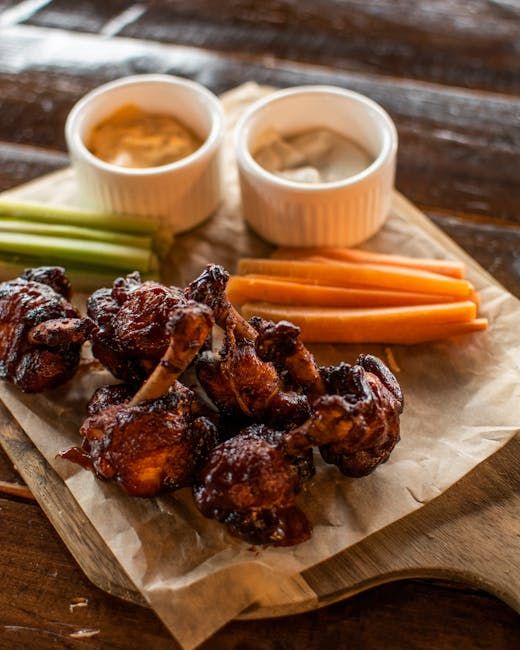
Smoked Chicken Wings — Crispy Without Frying
The baking powder trick, the high-heat finish, and the sauce timing that gives you competition-crispy smoked wings without a drop of frying oil. 90 minutes start to finish.
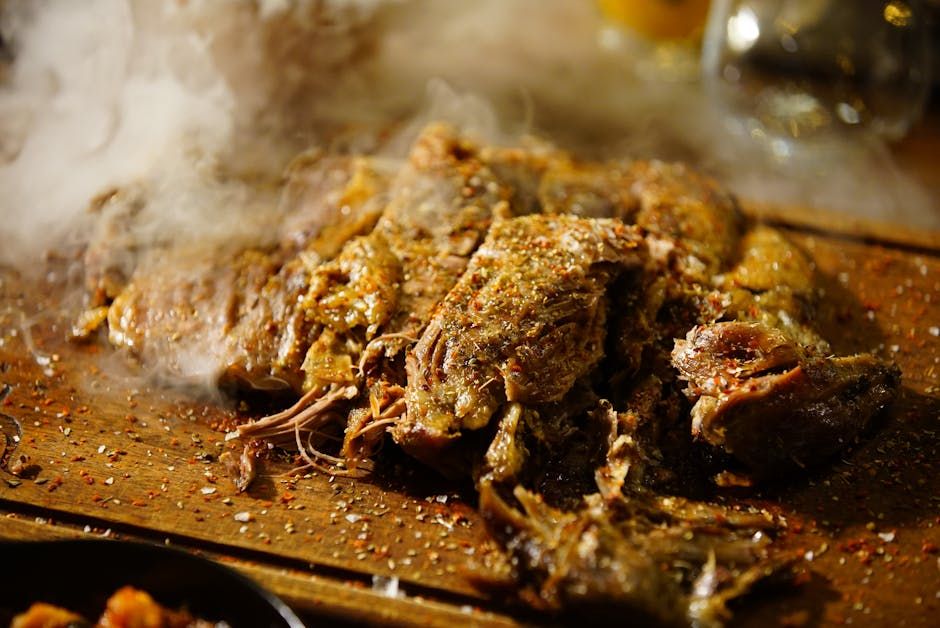
Competition-Style Pork Shoulder — 14-Hour Smoke with Injection
The real competition pork shoulder method: injected, rubbed overnight, smoked at 225°F (107°C) for 14-16 hours with specific bark formation strategy. No shortcuts, no wrapping early, no apologizing for how long it takes.
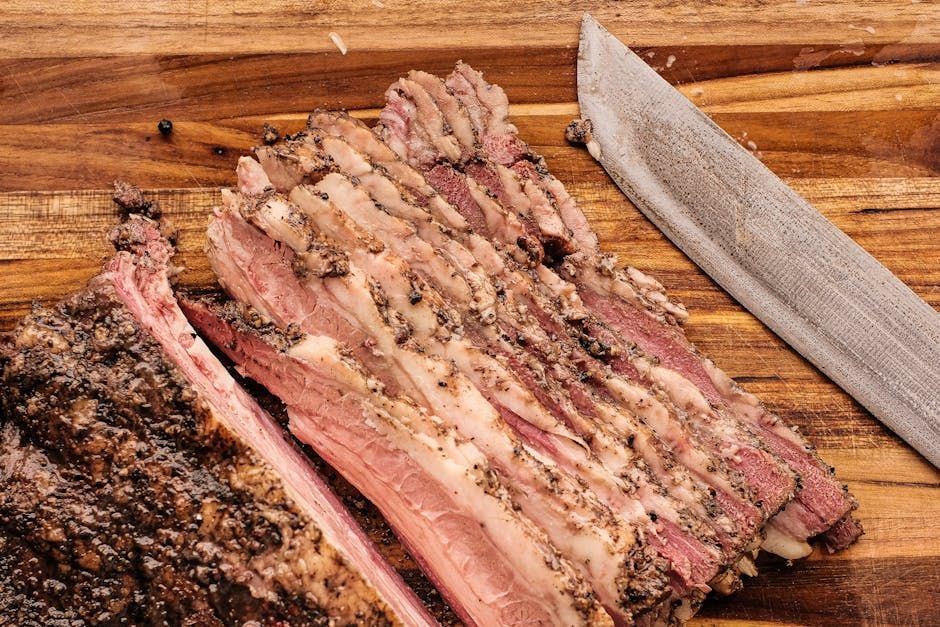
Texas-Style Smoked Brisket
The real deal. No shortcuts, no injections, no wrapping if you have the patience. Salt, pepper, post oak, and 14 hours of your life you will never regret. This is the cook that separates pitmasters from grillers.