The Japanese BBQ Trend: How to Make Yakitori at Home (And Why It Has Nothing to Do with American BBQ)
Last updated: April 10, 2026
American BBQ is low and slow. Big cuts. Hours of smoke. Patience.
Japanese yakitori is the opposite. Small cuts. Extreme heat. Minutes, not hours. Precision, not patience.
And right now it's one of the fastest-growing food trends in the Western world. For good reason.
## What Yakitori Actually Is
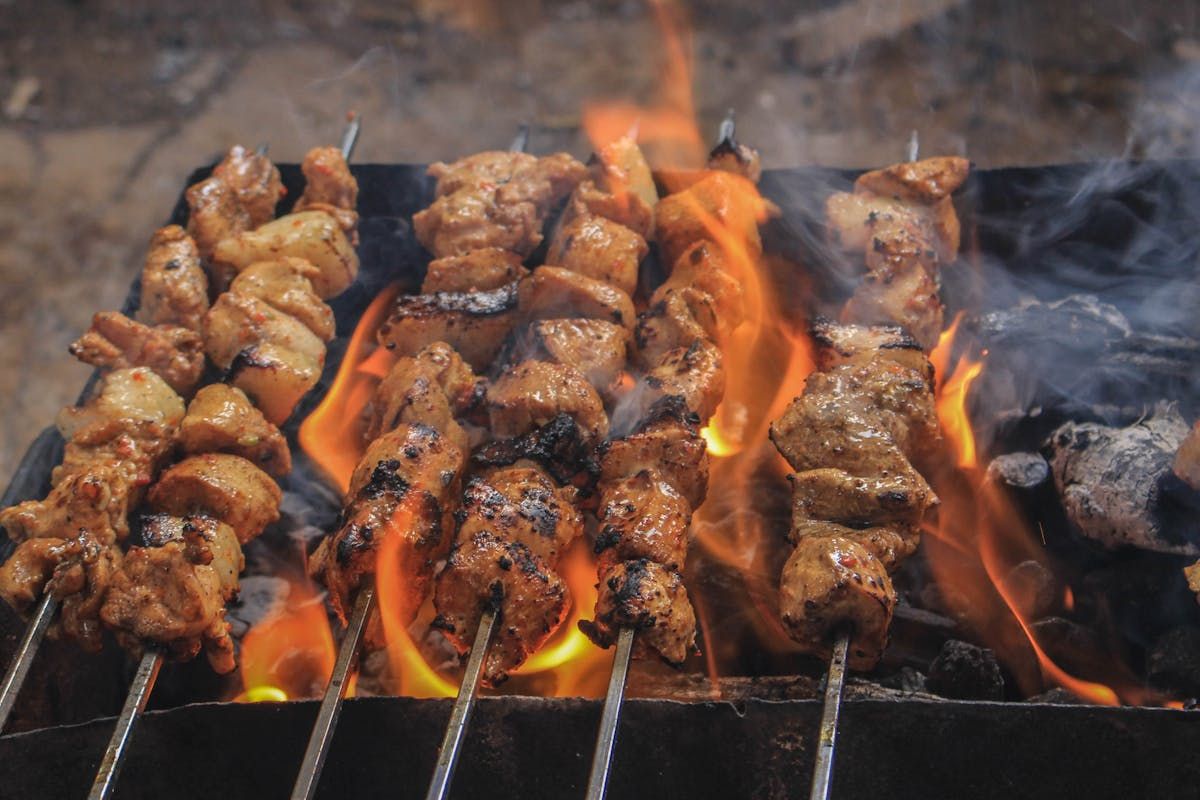
Yakitori literally means "grilled bird." Traditional yakitori is chicken — every part of the chicken — skewered on bamboo sticks and grilled over binchotan charcoal at extreme heat.
We're talking thigh, breast, skin, liver, heart, cartilage, tail, and neck. In Japan, the whole animal gets used. Nothing is wasted. Each cut has its own preparation, seasoning, and cook time.
This isn't just "chicken on a stick." It's a discipline. Some yakitori masters in Tokyo spend decades perfecting a single cut.
## Binchotan: The Charcoal That Changes Everything
You can't talk about yakitori without talking about binchotan. This Japanese white charcoal is made from ubame oak, kiln-fired at extreme temperatures, then rapidly cooled. The result is a charcoal that:
- Burns at incredibly high temperatures (up to 870°C)
- Produces virtually no smoke or odor
- Holds steady heat for hours
- Creates intense, clean infrared heat
Regular briquettes or even lump charcoal can't replicate what binchotan does. The heat is different. It's radiative, not convective.
Binchotan is expensive — €60-100 per kg — but it's reusable. Submerge lit binchotan in water, dry it out, and relight it next time.
To understand how different fuels affect cooking, our [temperature control guide](/en/tutorials/complete-guide-temperature-control-charcoal-grills/) covers the fundamentals.
## Essential Equipment
### The Grill
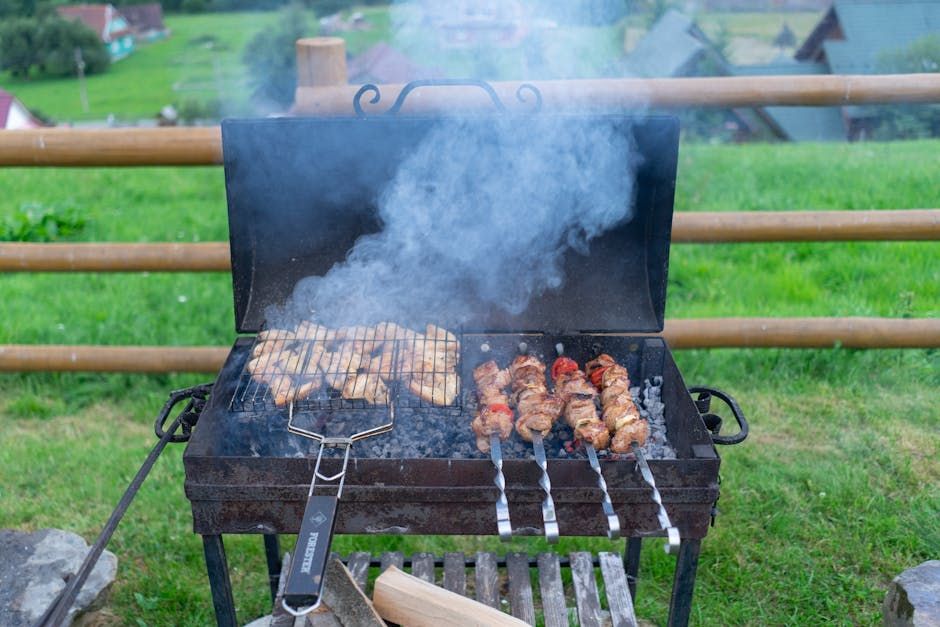
Traditional yakitori grills (konro) are narrow, rectangular charcoal grills made from diatomaceous earth. They're designed specifically for skewer cooking.
You can pick up a proper konro for €80-200. It's worth it.
### Skewers
Flat bamboo skewers, not round. Flat ones prevent the meat from spinning when you flip. Soak them for 30 minutes beforehand.
### Tare Sauce
Tare is the sweet-salty glaze that defines yakitori flavor. Traditional tare is simple:
- Soy sauce
- Mirin
- Sake
- Sugar
Combine equal parts soy and mirin, add sake and a spoonful of sugar. Simmer until slightly thickened.
The magic is in the aging. Traditional yakitori joints have tare pots that have been continuously used for years.
## The Cuts
### Momo (Thigh)
The king of yakitori. Cut into bite-sized pieces, skewered, and grilled with tare or just salt.
### Negima (Chicken and Scallion)
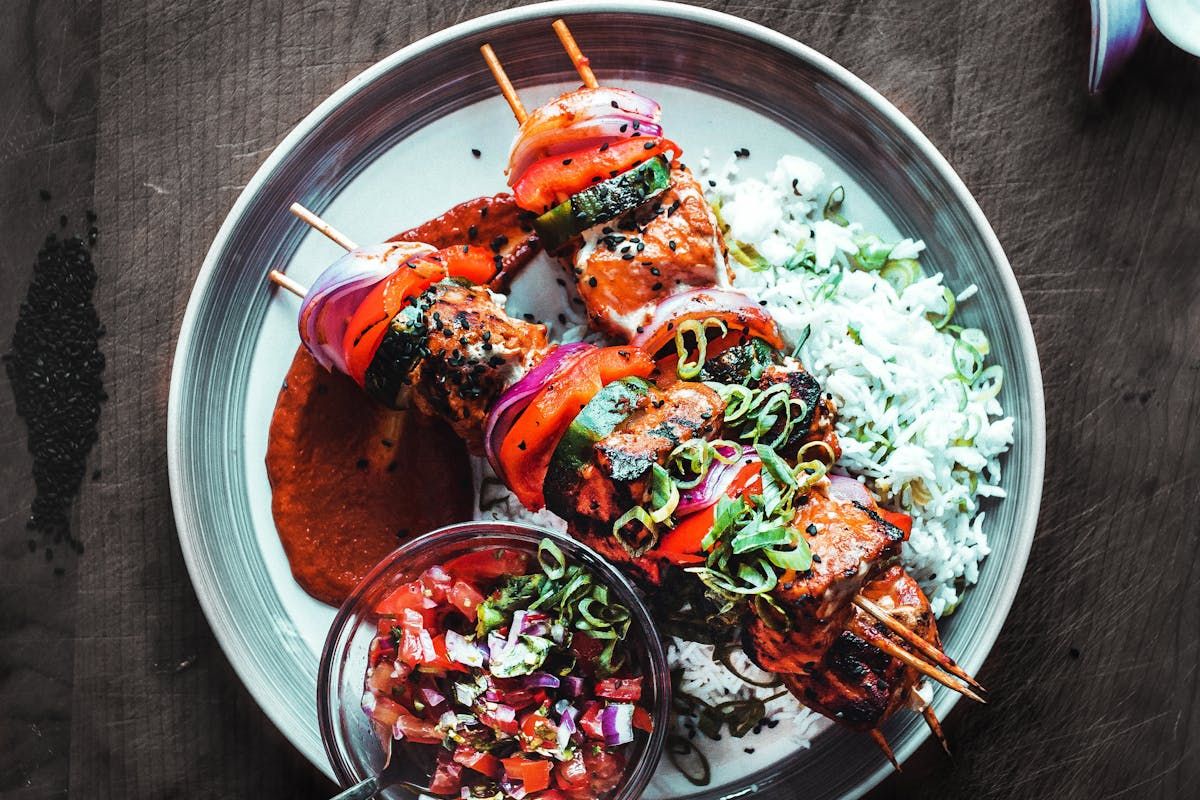
Alternating pieces of thigh and thick scallion sections. The scallion chars slightly and adds sweetness. Classic combination.
### Kawa (Skin)
Chicken skin accordion-folded onto the skewer. Grilled until impossibly crispy. This is an art form.
### Tsukune (Meatball)
Ground chicken seasoned with ginger, scallion, and soy, shaped into small balls on skewers. Glazed with tare and served with raw egg yolk.
### Hatsu (Heart) and Reba (Liver)
Not for everyone. But they're traditional. Heart is surprisingly tender. Liver is rich and intense.
If you love crispy chicken but want a different approach, check out our [smoked chicken wings recipe](/en/recipes/smoked-chicken-wings-crispy-without-frying/).
## Technique
### Heat Management
Get the binchotan ripping hot before you start. You want white-hot coals, no flames.
### Constant Attention
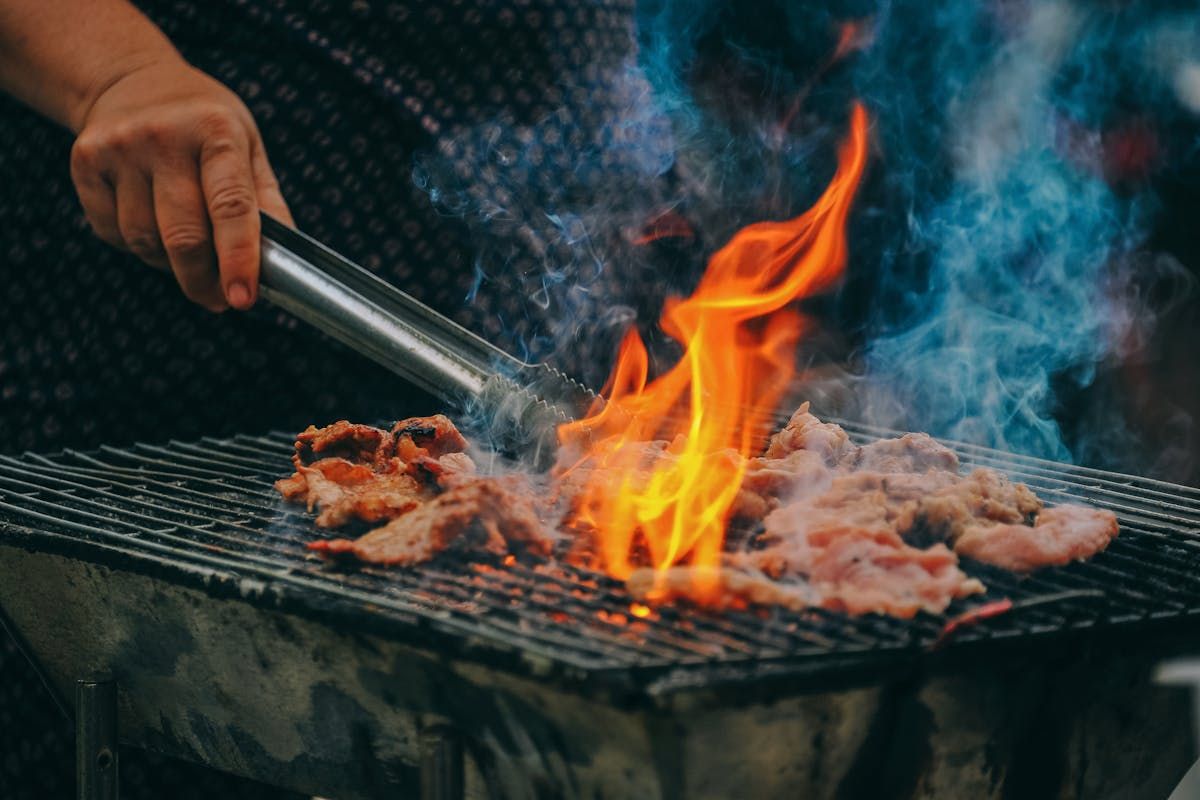
This is not set-and-forget cooking. Yakitori demands standing at the grill, rotating skewers every 30-60 seconds, brushing tare between rotations. One batch takes 5-8 minutes total.
### Salt vs. Tare
In Japan, the best cuts are served with salt only (shio). The rule: if it's a premium cut, try it with salt first.
### Don't Overcook
The number one Western mistake. Yakitori should be just cooked — juicy, not dry. High heat sears fast. Pull early.
## Why It's Different from American BBQ
American BBQ and yakitori share almost nothing except fire and meat.
- **Time:** American BBQ = hours. Yakitori = minutes.
- **Smoke:** Central to American BBQ. Absent in yakitori.
- **Cuts:** American BBQ favors large, tough cuts. Yakitori uses small, varied cuts.
- **Philosophy:** American BBQ transforms tough meat with time. Yakitori elevates quality ingredients with precision.
Neither is better. They're different art forms.
## Getting Started
Buy a konro and a bag of binchotan. Get flat bamboo skewers. Make a basic tare. Get good chicken thighs — boneless, skin-on.
Start with momo and negima. Master those. Then expand.
You'll burn the first batch. Everyone does. By the third session, you'll be pulling skewers that would make a Tokyo yakitori master nod. Reluctantly. Maybe.