Texas BBQ History: From Cotton Gins to Craft Brisket
Last updated: April 10, 2026
Every brisket has a story. But the story behind Texas BBQ — the real story, not the sanitized version — stretches back over 150 years and involves immigrant meat markets, culinary traditions of enslaved people, railroad economics, and a wood that doesn't grow anywhere else quite like it does in the Hill Country.
## The Meat Market Origins
Texas BBQ didn't start in a restaurant. It started in butcher shops.
In the mid-1800s, German and Czech immigrants settled in central Texas — towns like Lockhart, Elgin, Taylor, and Luling. They brought European butchering traditions and opened meat markets selling fresh cuts during the week. But refrigeration didn't exist. By Saturday, unsold meat was going bad.
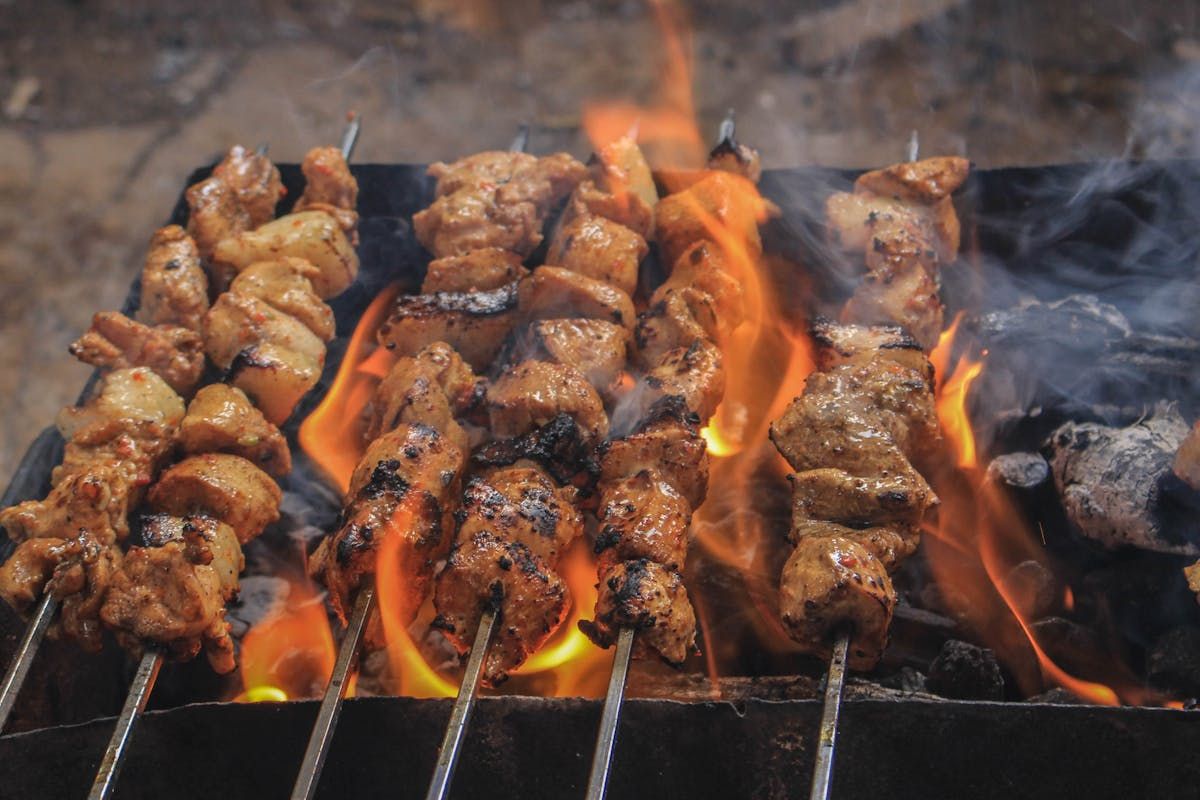
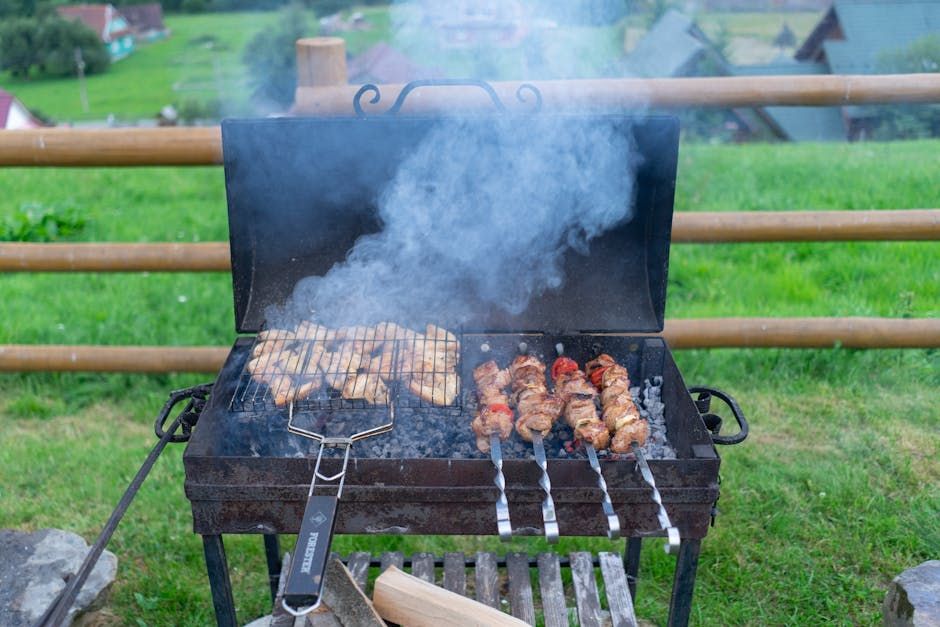
The solution was simple and brilliant: smoke it. These butcher-pitmasters took the week's unsold cuts, rubbed them with salt and black pepper, and smoked them over whatever hardwood was available. Customers bought smoked meat by the pound, wrapped in brown butcher paper, eaten standing up with no plates, no forks, no sides.
That's why Texas BBQ is served on butcher paper. That's why the default sides are white bread, pickles, and raw onion. It wasn't an aesthetic choice. It was economics.
## The African American Tradition
Here's the part of the story that gets told less often, and it shouldn't be that way.
While German and Czech immigrants ran meat markets, African American pitmasters were developing the smoking techniques that would define Texas BBQ. The knowledge of slow-smoking tough cuts — understanding fire, reading smoke, knowing when meat is done by touch and instinct — came from African and African American culinary traditions that predated the meat markets by centuries.
After emancipation, Black pitmasters operated their own BBQ joints, often "across the tracks" in segregated Texas. These weren't restaurants in any formal sense — many were little more than a pit, a woodpile, and a hand-painted sign. But the BBQ was transcendent.
The uncomfortable truth is that Texas BBQ as we know it is a collaboration between European butchering tradition and African American mastery of smoke. Neither tradition alone creates what we recognize as Texas BBQ. Both are essential.
## Post Oak: The Sacred Wood
Central Texas sits on the western edge of the post oak belt. This slow-growing hardwood doesn't look like much. But when it burns, it produces a clean, mild smoke with a slightly sweet, nutty character that doesn't overpower beef.
When you smoke a [Texas-style brisket](/es/recetas/texas-style-smoked-brisket/) with post oak, you're not following a trend. You're following 150 years of proven results.
## The Cotton Gin Connection
Cotton gins played a direct role in Texas BBQ's development. From the late 1800s through the early 1900s, cotton was king in central Texas. Gins generated massive amounts of waste material that was burned as fuel.
Where there was fuel burning, there were people cooking meat. Gin workers — many of them Black — smoked cheap cuts over the waste coals during breaks.
## The Dark Years and the Renaissance
By the mid-twentieth century, Texas BBQ was in decline. Gas cookers replaced wood-burning offsets. Sauce got sweeter and thicker.
The renaissance began in the early 2000s. Aaron Franklin opened Franklin Barbecue in a trailer in Austin in 2009, cooking briskets the way the old meat markets did: salt, pepper, post oak, time. The lines followed. Then the James Beard Award.
Across central Texas, pitmasters were returning to whole-animal cooking and wood-fired pits. [Burnt ends](/es/recetas/burnt-ends-kansas-city-style-brisket-point/) — a Kansas City invention — found their way onto Texas menus.
## The Craft Movement
Today Texas BBQ is living its golden age. Meat quality has improved dramatically. The salt-and-pepper gospel has spread globally. And the story is finally being told in full — the contributions of African American pitmasters are being recognized and celebrated.
## What Texas BBQ Teaches Us
Texas BBQ isn't just food. It's a lesson in how great things emerge from necessity, collaboration, and patience.
Next time you bite into a perfectly smoked brisket — the bark crackling, the smoke ring glowing pink, the fat rendered to silk — remember you're tasting history. Not the history of one restaurant or one pitmaster. The history of immigrants, laborers, enslaved people, and communities who turned the cheapest meat available into the most revered BBQ on earth.
It didn't start with a line around the block. It started with a butcher trying not to waste meat on a Saturday afternoon.