Charcoal vs Gas vs Pellet Grill: The Definitive Comparison
Last updated: April 10, 2026
If you're dropping $500–$2,000 on a grill, you need to know exactly what you're getting. The charcoal vs gas vs pellet grill debate isn't about which is "best" — it's about which one matches how you actually cook. I've spent thousands of hours across all three platforms, and each one excels at specific things while failing at others. This guide breaks down every factor that matters so you can make a decision based on data, not brand loyalty.
Charcoal vs Gas vs Pellet Grill: How They Actually Work
Before comparing performance, you need to understand the fundamental differences in how each grill generates and manages heat.
Charcoal Grills
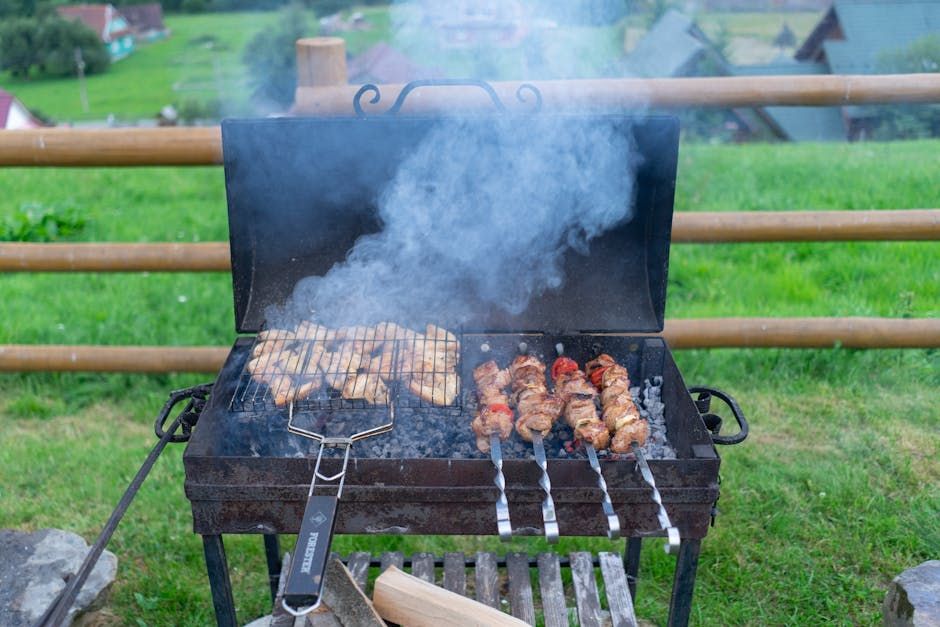
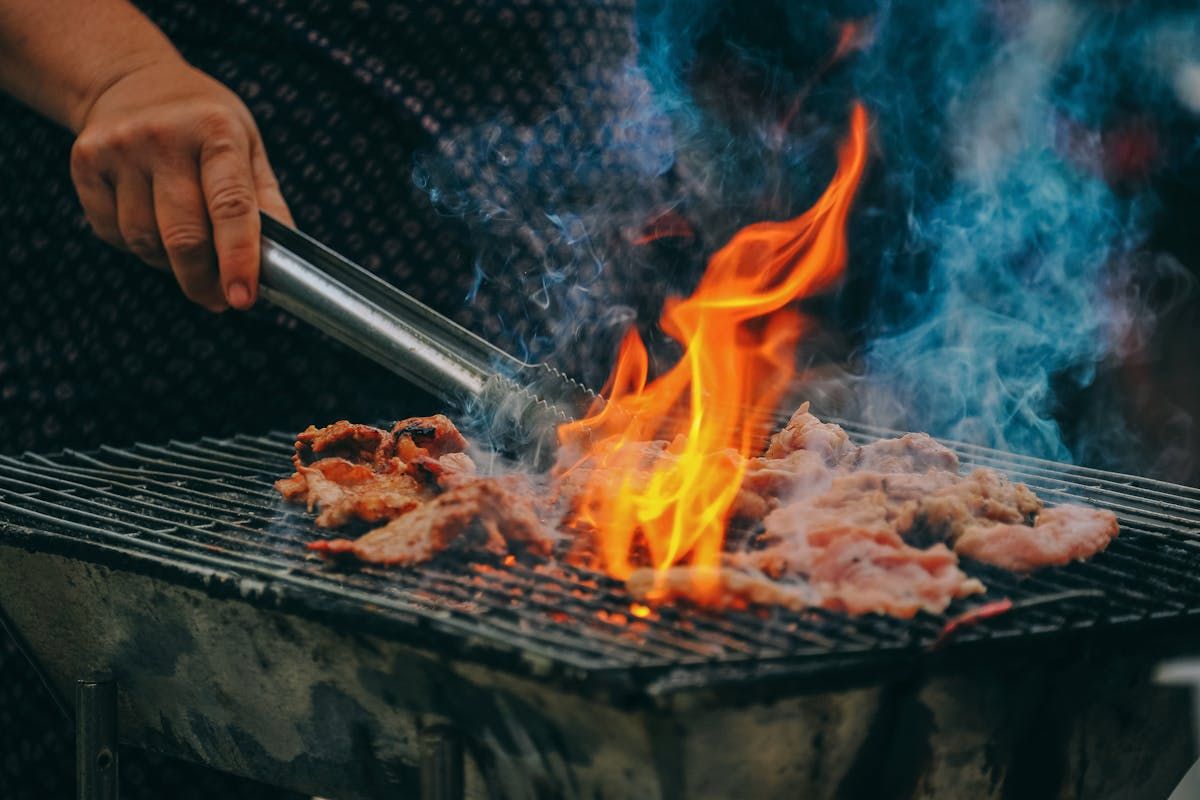
Lump charcoal or briquettes burn in a firebox, producing radiant heat and smoke. You control temperature by adjusting intake and exhaust vents. A standard 22-inch kettle reaches 700°F+ with the lid off, or holds 225–275°F in a two-zone setup. There's no thermostat — you are the temperature controller.
Gas Grills
Propane or natural gas feeds burners that heat metal bars, ceramic briquettes, or flavorizer bars. Turn a knob, get heat. Most 3-burner models range from 250°F to 550°F. Preheat time is 10–15 minutes. Temperature control is immediate and predictable.
Pellet Grills
An electric auger feeds compressed hardwood pellets into a firepot. A fan circulates heat and smoke through the cooking chamber like a convection oven. A digital controller maintains your set temperature within ±5–15°F. Range is typically 180°F to 500°F, though some models now push to 700°F with direct-flame access.
Takeaway: Charcoal is manual and high-skill. Gas is instant and predictable. Pellet is automated and consistent. None of these descriptions are insults or compliments — they're engineering facts.
Temperature Performance and Range
| Factor | Charcoal | Gas | Pellet |
|---|---|---|---|
| Max temp | 700°F+ | 500–600°F | 450–500°F (700°F w/ direct flame) |
| Low-and-slow range | 225–275°F | 250–300°F (hard to hold lower) | 180–275°F |
| Preheat time | 15–25 min | 10–15 min | 10–15 min |
| Temp stability | ±20–40°F (user dependent) | ±10–15°F | ±5–15°F (controller dependent) |
| Recovery after lid open | 3–5 min | 2–3 min | 4–8 min |
Charcoal wins on raw heat ceiling — nothing sears a ribeye like a chimney of lump charcoal at 700°F directly under the grate. Gas is the steadiest for mid-range grilling. Pellet dominates low-and-slow precision, holding 225°F for 14 hours without you touching a thing.
The critical detail most comparisons skip: pellet grills struggle with searing. Standard models top out around 450–500°F, and the heat is convective, not radiant. That means you're baking the surface, not charring it. Some newer models (like the Camp Chef Woodwind with the Sidekick) solve this with a direct-flame sear station, but that's an add-on, not the core design.
Takeaway: If you sear steaks weekly, charcoal or gas. If you smoke briskets monthly, pellet. If you do both equally, you need two grills or a pellet with a sear accessory.
Charcoal vs Gas vs Pellet Grill: Flavor Profile Breakdown
This is where opinions get loud and data gets scarce. Here's what actually happens chemically.
Charcoal produces flavor from three sources: the combustion of carbon (clean heat), the volatiles released from hardwood lump (smoke compounds like guaiacol and syringol), and fat drippings vaporizing on hot coals. This trifecta creates the deepest, most complex flavor profile. Briquettes add less wood flavor than lump because they're compressed sawdust with binders.
Gas grills produce flavor primarily from fat dripping onto flavorizer bars or ceramic briquettes. The gas itself (propane/NG) burns clean and contributes zero flavor. You can add smoke via a smoker box with wood chips, but it's supplemental — maybe 15–20% of the smoke flavor you'd get from charcoal or pellets.
Pellet grills produce a clean, mild smoke flavor. The pellets are 100% compressed hardwood (hickory, mesquite, cherry, etc.), but they burn efficiently with forced air, which means less dirty smoke and fewer bitter compounds. The result is a lighter smoke ring and a more subtle flavor than a charcoal offset smoker. A 12 lb pork butt on a pellet grill develops a 3–5mm smoke ring. The same cut on a charcoal smoker produces a 6–8mm ring.
Takeaway: Charcoal delivers the strongest smoke flavor. Pellets give clean, consistent smoke. Gas gives almost no smoke without accessories. If smoke flavor is your priority, charcoal is the honest answer.
Operating Costs and Fuel Efficiency
Nobody talks about this enough. Here's what a year of regular grilling actually costs in fuel.
| Fuel Type | Cost per Cook (avg 4-hr session) | Annual Cost (2x/week) |
|---|---|---|
| Lump charcoal (15 lbs @ $0.90/lb) | $6.00–$9.00 | $625–$935 |
| Briquettes (12 lbs @ $0.60/lb) | $4.00–$5.50 | $415–$570 |
| Propane (20 lb tank, ~$15 refill) | $1.50–$3.00 | $155–$310 |
| Natural gas (piped) | $0.50–$1.00 | $50–$105 |
| Hardwood pellets (2 lbs/hr @ $0.50/lb) | $4.00–$5.00 | $415–$520 |
Gas is the cheapest to run by a wide margin, especially natural gas. Charcoal is the most expensive, particularly if you use premium lump. Pellets fall in the middle but add up over a long smoke — a 16-hour brisket cook burns through 30–35 lbs of pellets ($15–$17 in fuel alone).
Don't forget the electricity cost for pellet grills. The auger motor, fan, and controller draw 300–500 watts during ignition and 50–100 watts during operation. Over a 14-hour cook, that's about $0.50–$1.00. Trivial per session, but it means pellet grills don't work during power outages — a real consideration for competition cooks and off-grid setups.
Takeaway: If you grill twice a week, gas saves you $300–$600/year over charcoal. Factor fuel cost into your total ownership calculation, not just the sticker price.
Ease of Use and Learning Curve
Let's be direct about skill requirements.
- Gas: Turn the knob. Wait 10 minutes. Cook. Clean the grates. That's it. A complete beginner can produce a respectable burger on day one. Learning curve: near zero.
- Pellet: Set the temperature on the controller. Add meat. Monitor with a probe thermometer. The grill does the fire management for you. You need to learn pellet selection, hopper management, and how to handle flare-ups during high-heat grilling. Learning curve: 1–2 months to be confident.
- Charcoal: You need to master chimney starting, two-zone fire setup, vent control for temperature regulation, fuel management over long cooks, and reading the fire. A charcoal offset smoker is the hardest cooker in BBQ to run well. Learning curve: 6–12 months to hold steady temps on a long smoke. Years to master.
Here's the uncomfortable truth: the difficulty of charcoal is also its appeal. When you nail a 14-hour brisket on a stick burner with nothing but fire and instinct, you earned that. A pellet grill brisket can taste great, but the satisfaction is different. Neither is wrong — it's a question of what you value.
Takeaway: Buy a gas grill if you want to cook tonight. Buy a pellet grill if you want great results within a month. Buy a charcoal setup if you want to develop a skill over years.
Maintenance, Durability, and Common Failures
Every grill platform has its weak points. Know them before you buy.
Charcoal Grills
Mechanically simple — fewer parts to fail. A Weber Kettle from 2005 still works fine if the bowl isn't rusted through. Main maintenance is ash removal after every cook and annual grate replacement ($20–$40). The biggest enemy is moisture — store it covered or in a garage. Kamado-style ceramic grills (Big Green Egg, Kamado Joe) are nearly indestructible but the ceramic can crack from thermal shock if you open the lid too fast at high temps.
Gas Grills
Burner tubes corrode in 3–5 years, especially in humid or coastal environments. Igniter modules fail regularly — keep a long-reach lighter as backup. Flavorizer bars or heat plates need replacement every 2–3 years. Grease management systems clog if not cleaned monthly. A mid-range gas grill ($500–$800) has a realistic lifespan of 7–10 years with regular maintenance.
Pellet Grills
The most complex platform mechanically. The auger motor, hot rod igniter, fan, temperature controller, and RTD probe are all potential failure points. The hot rod igniter is the most common failure — replacement runs $15–$30 and takes 20 minutes. Moisture is the mortal enemy: wet pellets swell and jam the auger, requiring a full hopper dump and auger cleanout. Never leave pellets in the hopper between cooks in humid climates. Controller boards can fail after 3–5 years — $50–$150 to replace depending on the brand.
Takeaway: Charcoal grills last the longest with the least maintenance. Gas grills need regular part swaps. Pellet grills have the most failure points — budget $50–$100/year for replacement parts after year three.
Best Use Cases: Which Grill for Which Cook
| What You're Cooking | Best Platform | Why |
|---|---|---|
| Steaks (ribeye, NY strip) | Charcoal | 700°F+ radiant heat = best Maillard crust |
| Burgers and hot dogs | Gas | Quick preheat, easy zone control, fast cleanup |
| Brisket (12–16 hr cook) | Pellet | Set-and-forget temp control, sleep through the stall |
| Pork butt / pulled pork | Pellet or Charcoal | Both work great; pellet is easier, charcoal has more flavor |
| Ribs (3-2-1 method) | Pellet or Charcoal | 6-hour cook; pellet for consistency, charcoal for bark |
| Chicken (whole or pieces) | Gas or Charcoal | Needs high heat for crispy skin; pellet skin often goes rubbery |
| Pizza | Charcoal (kamado) | Kamados hit 700°F+ with retained heat — closest to a wood oven |
| Weeknight vegetables | Gas | 5-minute preheat, done in 10 minutes, minimal cleanup |
Takeaway: There is no single grill that does everything at the highest level. If you cook diverse food, you'll eventually own at least two platforms. Start with the one that covers 70% of what you cook most.
The Verdict: Making Your Decision
Stop asking which grill is "the best." Start asking which grill matches your actual cooking patterns.
- Buy charcoal if: You value flavor above all else, you enjoy the hands-on process of fire management, and you're willing to invest months learning the craft. Budget pick: Weber Kettle Premium 22" ($175). Serious pick: Kamado Joe Classic III ($2,000).
- Buy gas if: You grill 2–4 times a week, mostly quick cooks (under 1 hour), and you want convenience with low operating costs. Budget pick: Weber Spirit II E-310 ($530). Serious pick: Weber Genesis S-435 ($1,300).
- Buy pellet if: You smoke large cuts regularly, you want competition-quality results without babysitting the fire, and you're okay with milder smoke flavor. Budget pick: Pit Boss 850 Pro ($600). Serious pick: RecTeq Bull RT-700 ($1,200).
The honest play for someone who grills year-round: a gas grill for weeknight dinners and a charcoal or pellet setup for weekend projects. Total investment: $700–$1,500 for a combo that covers every scenario. That's less than one premium pellet grill and infinitely more versatile.
FAQ
Is a pellet grill as good as charcoal for smoking?
It depends on what "good" means to you. A pellet grill produces consistent, clean smoke and holds temperature within ±5–15°F automatically. The smoke flavor is milder — expect a 3–5mm smoke ring on a pork butt versus 6–8mm on charcoal. If you prioritize convenience and consistency, pellet wins. If you prioritize maximum smoke depth and bark formation, charcoal wins. For competition-level brisket, both platforms have won Grand Champion at major KCBS events.
How much does it cost to run a pellet grill for a 14-hour brisket cook?
At 225°F, a pellet grill burns approximately 1.5–2 lbs of pellets per hour. Over 14 hours, that's 21–28 lbs of pellets. At $0.50/lb for mid-range pellets (like Lumberjack or Bear Mountain), fuel cost is $10.50–$14.00. Add roughly $0.75 in electricity for the auger, fan, and controller. Total fuel cost: approximately $11–$15 per cook. A bag of premium competition pellets at $1.00/lb doubles that to $21–$28.
Can a gas grill produce smoke flavor?
Yes, but with significant limitations. A cast iron smoker box filled with wood chips placed over a burner produces visible smoke for 20–30 minutes before the chips ash out. You'll need to refill 3–4 times during a long cook. The result is maybe 15–20% of the smoke flavor you'd get from a dedicated smoker or charcoal grill. For steaks and burgers where smoke is an accent, it's sufficient. For pulled pork or brisket where smoke is the main event, it's inadequate. Smoke tubes (like the A-Maze-N Pellet Tube Smoker, around $15) extend smoke time to 4–5 hours and work better than boxes.
What's the lifespan of each grill type?
A quality charcoal kettle (Weber) lasts 10–15 years with minimal maintenance. Kamado ceramic grills can last 20+ years — the ceramics don't corrode. Gas grills average 7–10 years; burner tubes, igniters, and flavorizer bars are consumable parts that need periodic replacement ($50–$150 total over the lifespan). Pellet grills last 5–8 years on the controller and electronics, though the steel body lasts longer. The hot rod igniter typically fails first, around year 2–3 ($15–$30 replacement). Higher-end pellet grills with stainless steel components and better controllers push toward 10 years.
Which grill is best for a complete beginner?
A 3-burner gas grill in the $400–$600 range. It preheats in 10 minutes, temperature control is a knob, and cleanup is straightforward. You'll produce good food from day one while learning fundamentals like zone cooking, internal temperatures, and timing. Once you're comfortable with heat management, transition to charcoal or pellet based on what you enjoy cooking most. Starting with a charcoal offset smoker as a beginner is a guaranteed path to frustration — you'll burn through $200 in wasted meat before you learn to hold temperature.