Argentine Asado: Much More Than Just Grilling Meat
Last updated: April 10, 2026
Let me tell you something that's going to upset some people: Argentine asado is not BBQ. And BBQ is not asado. They share fire, meat, and smoke, but they are fundamentally different traditions with fundamentally different philosophies.
Understanding asado means understanding why.
## The Ritual, Not the Recipe
In the United States, BBQ is frequently a solitary activity. One pitmaster, one smoker, hours of silent care. The social part happens when the food is served.
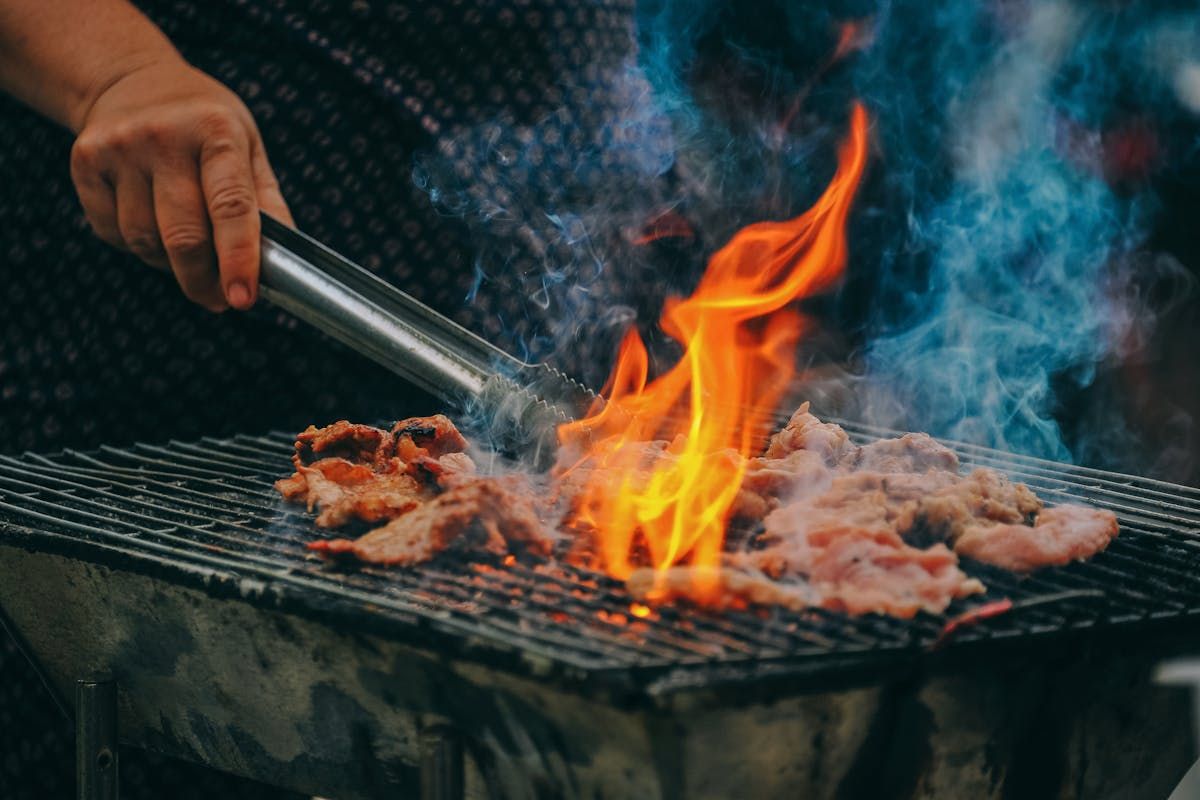
Asado inverts this completely. The cooking IS the social event. An asado typically lasts five to eight hours, and guests are present throughout the entire process. They arrive when the fire is lit. They drink wine and converse while the asador — the person handling the fire and the meat — works the grill. There is no separate cooking area. The grill is the center of everything, and the asador is the host, the entertainer, and the cook simultaneously.
This is not just a preference. It reflects a deep cultural value: in Argentina, the act of sharing time around the fire is as important as the food itself. Rushing an asado is an offense. Suggesting shortcuts is worse.
## Fire Management: The Art of Restraint
American pitmasters manage fire to maintain consistent temperature in a closed smoker. An asador manages fire in the open air, which is an entirely different skill.
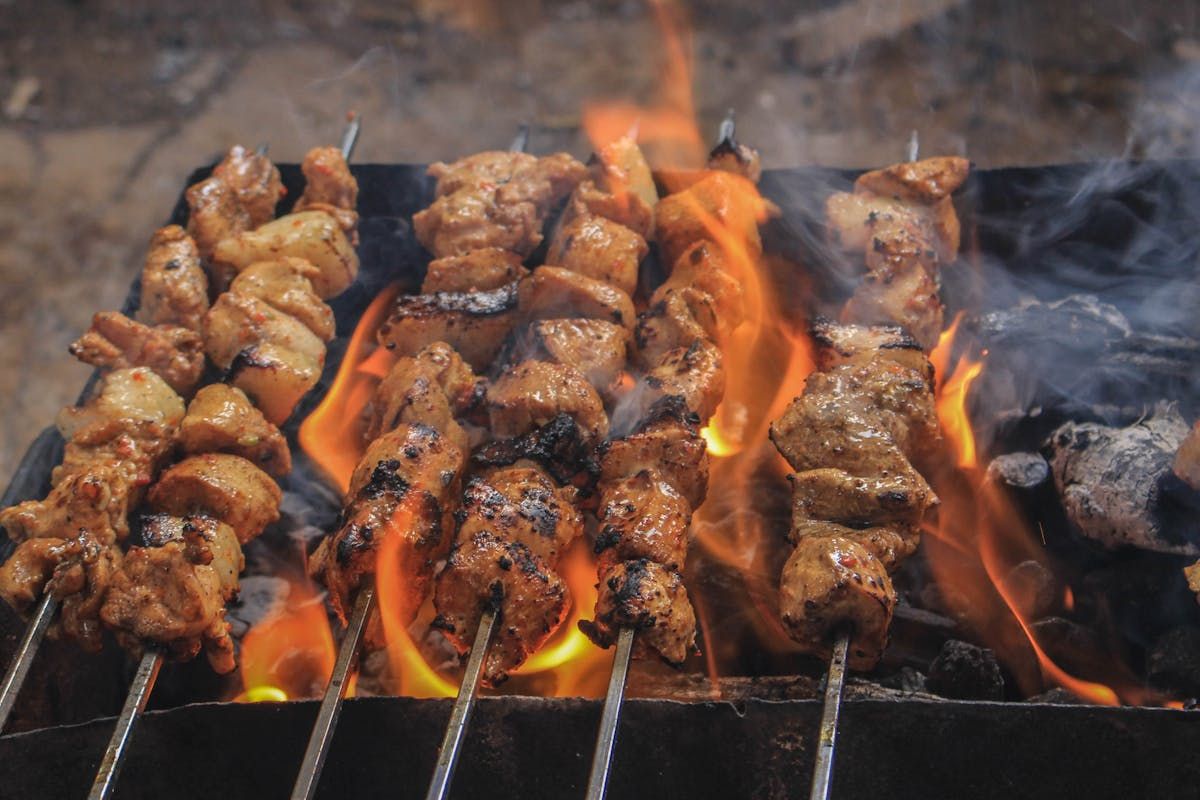
The traditional setup uses a wood fire built to one side of the cooking area. As the wood reduces to embers, the asador shovels them beneath the grate. The meat is never cooked directly over open flame — always over embers. The asador controls heat by moving the embers closer to or farther from the meat.
This is [fire management](/en/tutorials/fire-management-101-offset-smoker-temperature-control/) in its most elemental form. No thermometers, no vents, no dampers. Just a person reading the fire, feeling the heat with their hand, and instinctively knowing when to adjust.
The traditional wood is quebracho — an incredibly dense South American hardwood. It burns long and hot with minimal smoke. The goal is not to add smoke flavor. The goal is clean, sustained heat from cleanly burning embers.
## Salt. That's It.
Asado's seasoning philosophy makes Central Texas look excessive. Texas uses salt AND pepper. Asado uses salt. Just salt. Coarse salt, applied generously — sometimes from up high, the crystals falling like rain — and nothing else.
It's not minimalism for its own sake. It's a statement about the quality of the meat. Argentine grass-fed beef has a depth of flavor that doesn't exist in grain-fed cattle. The meat speaks for itself.
The only exception is chimichurri. But chimichurri is a condiment applied at the table, not a seasoning during cooking. The distinction matters. You can serve a [steak with chimichurri](/en/recipes/grilled-a